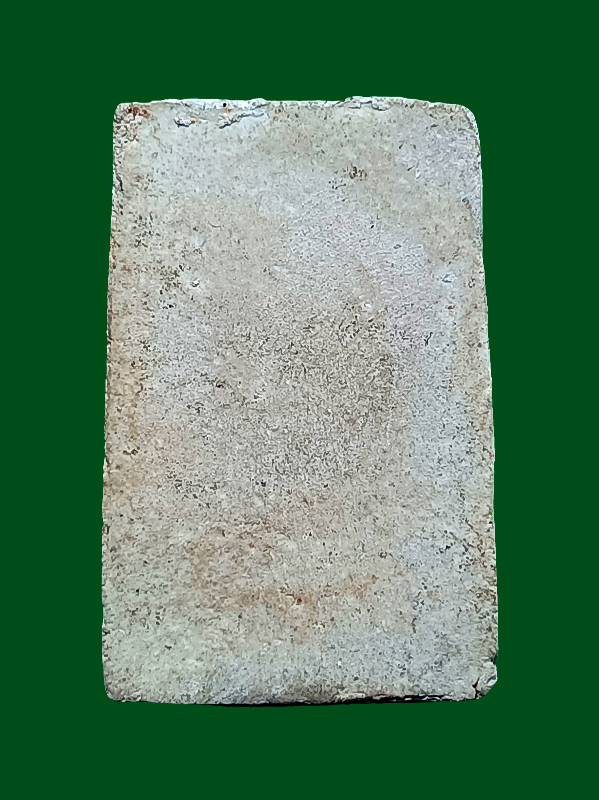
Description
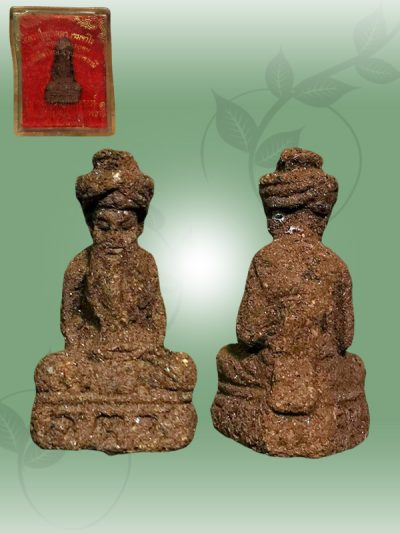
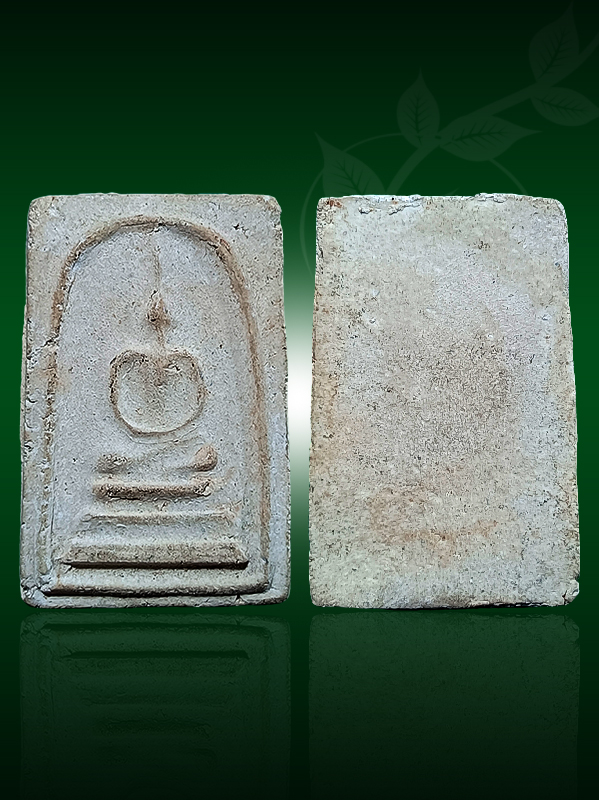
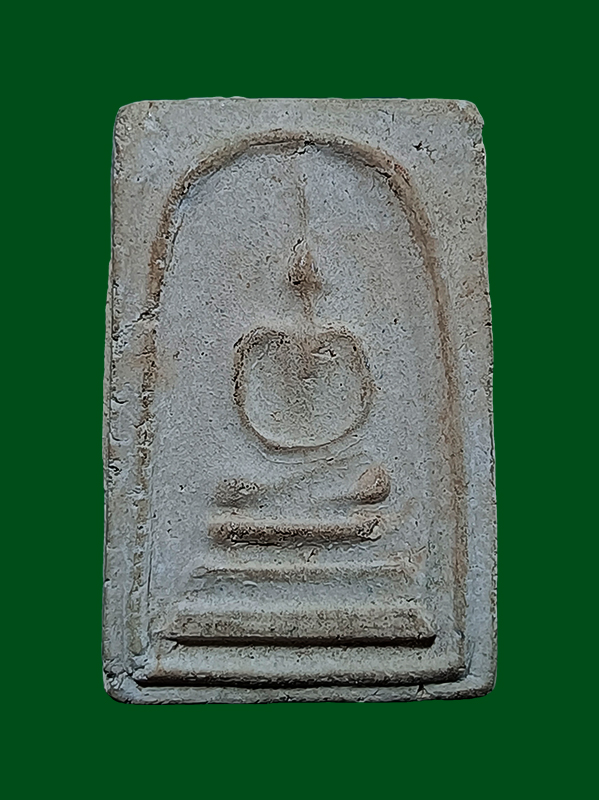
Phra Somdej Kha Khwai Lp Jong Wat Natangnok for Wat Hormok B.E.2504
- Made of sacred powder
- Nice condition
- Powerful for Metta Maha Niyom
- Guarantee real 100%
Phra Somdej Kha Khwai (Crossed-Legs Somdej), Luang Pho Jong (Wat Na Tang Nok), Issued at Wat Ho Mok (1961 BE / 2504) is a highly popular sacred powder amulet known for fortune, loving-kindness, and protection in the Phra Nakhon Si Ayutthaya amulet tradition.
History and Purpose of Creation
-
Purpose: Created by Phra Ajahn Samosorn (Koi), the abbot of Wat Ho Mok (Bang Sai District, Phra Nakhon Si Ayutthaya Province) at the time, to raise funds for constructing the temple’s main ordination hall (Ubosot).
-
Permission & Blessing: Phra Ajahn Samosorn requested permission from Luang Pho Jong Phuttasaro of Wat Na Tang Nok, who kindly granted approval, donated key sacred materials, and personally attended the consecration ceremony.
Key Sacred Materials
-
Luang Pho Jong’s Sacred Powders: Phong Maharaj, Phong Itthije, and hand-erased sacred powders collected by Luang Pho Jong following his traditional esoteric methods.
-
Ancient Ayutthaya Materials: Broken ancient pagoda amulets, burnt palm-leaf powder, 108 types of sacred herbs (Wan 108), and worshiped flower pollen.
-
Wat Ho Mok Powders: Sacred powders passed down from former abbots and past master monks of Wat Ho Mok.
Artistic Features and Molds
-
Mold & Appearance: A rectangular powder amulet depicting the Buddha seated in meditation atop layered pedestals.
-
“Kha Khwai” Signature: Features a distinct leg posture where both legs are crossed prominently over each other in a full lotus stance, giving rise to the name “Kha Khwai” (Crossed-Legs) or “Son Kha” mold.
-
Texture & Variations: Available in White/Creamy White Powder (soft, aged texture with natural aging marks) and Burnt Palm-Leaf Powder (grey to dark grey tone mixed with burnt palm-leaf ashes).
Consecration Ceremony
A grand consecration ceremony was held at Wat Ho Mok in 1961 BE (2504). Luang Pho Jong presided over the ceremony as the chairman, joined by prominent Ayutthaya master monks of that era, including Luang Pho Sang (Wat Krab Khab) and Luang Pho Mian (Wat Pho Kop Chao).
Spiritual Virtues
Renowned for loving-kindness (Metta Maha Niyom), good fortune, business prosperity, and protection from harm, adhering to the legendary blessings of Luang Pho Jong.
龙婆钟瓦纳唐诺寺翘腿崇迪佛牌(Wat Ho Mok 发行,佛历2504年)
龙婆钟瓦纳唐诺寺翘腿崇迪佛牌(Wat Ho Mok 寺发行,佛历2504年 / 公历1961年)是大城府圣物收藏界中备受欢迎的粉牌之一,以招财、人缘及避险功效著称。
历史与制作目的
-
制作目的: 由当时 Wat Ho Mok 寺(位于大城府邦赛县)的主持 阿赞萨摩颂(柯师父) 发起制作,旨在筹集善款用于修建该寺的大雄宝殿。
-
请求许可与加持: 阿赞萨摩颂拜见 龙婆钟大师(Luang Pho Jong) 请求制作此批圣物。龙婆钟大师慈悲允准,不仅捐赠了关键圣料,还亲临法会全程加持。
重要圣料
-
龙婆钟大师亲制圣粉: 包含龙婆钟大师依独门法脉手写并收集的 Phong Maharaj(玛哈拉圣粉)、Phong Itthije(伊提杰圣粉)及多种秘制经粉。
-
大城府古老圣料: 大城府古塔破损佛牌碎粉、烧制贝叶经粉、108种吉祥草药粉(Wan 108)以及供佛花粉。
-
Wat Ho Mok 寺圣粉: 来自 Wat Ho Mok 寺历代高僧传承下来的秘制圣粉。
造型与模具特征
-
造型外观: 长方形粉质佛牌,正面为佛陀禅定坐于多层法座之上的法相。
-
“翘腿”独有特征: 其最大特色在于佛陀的双腿呈双盘结跏趺坐且明显交错重叠,因此被称为 “翘腿模”(Pim Kha Khwai) 或 “叠腿模”。
-
肉质分类: 主要分为 白粉质(白色 / 奶白色),质地温润且带有自然的岁月风化痕迹;以及 贝叶经粉质(灰色 / 灰黑色),因混合了烧制后的贝叶经粉而呈现灰色调。
加持仪式
于佛历2504年(1961年)在 Wat Ho Mok 寺举行了盛大的加持法会。由 龙婆钟大师(瓦纳唐诺寺) 担任主法主席坐禅加持,并联合大城府多位当代名僧共同加持,其中包括龙婆桑(Wat Krab Khab)与龙婆勉(Wat Pho Kop Chao)。
功效
主打 极强的人缘慈爱(Metta Maha Niyom)、招财纳福、助生意兴隆及出入平安,完美承袭了瓦纳唐诺寺龙婆钟大师的法脉加持。