
5 Reasons why “Khruang Rang” (Talismans) is more fun than Amulets
29/06/2026
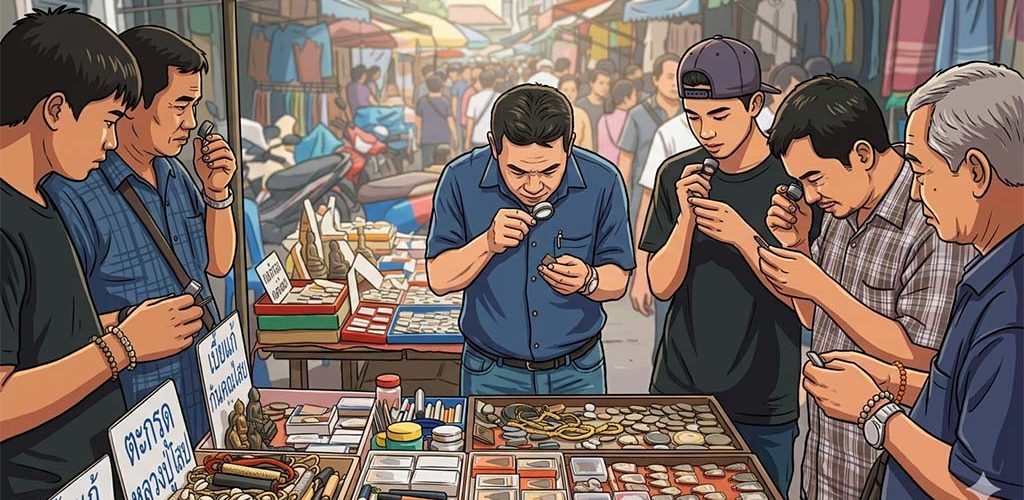
Stepping into the world of “Khruang Rang” (Talismans and Amulets) is almost identical to taking on the role of a detective crossed with an archaeologist who must solve mysteries of time and magic! If collecting Buddha amulets (Phra Khrueang) is the gathering of structured and peaceful “Buddhist Art,” collecting Khruang Rang is the gathering of “instinctual charms” filled with rawness, raw energy, and fantasy-level lore.
To give you a deeper and thoroughly satisfying picture of this fun, let’s dive fully into these 5 reasons!
1. Handmade Crafts with a “Soul” Hidden in Every Knife Mark Imagine a factory stamping out coins, producing 10,000 identical Buddha amulets in a single day. Now, compare that to the “Carved Tiger of Luang Phor Parn” or the “Hanuman of Luang Phor Sun,” which must be hand-carved with a knife, one by one.
- The Mood of the Piece: Each talisman records the artisan’s mood on that specific day. Some feature a wide, ferocious open mouth, some have a smiling, merciful face, while others have distorted shapes following the natural anatomy of the fangs or tree branches.
- The Art of Braiding (Weaving Patterns): Takruts (sacred scrolls) or Bia Gae (cowrie shells) from certain lineages feature highly complex protective rope braiding, such as the crocodile teeth pattern, the club pattern, or the Sao Tao Nang pattern. The tension applied by the braider’s hands means the plumpness or thinness of each Bia Gae will never be identical. Owning a talisman brings the pride of possessing a one-of-a-kind piece of art globally, made specifically for you.
2. The Ultimate Visual Test: Talisman Forensics A true Khruang Rang expert must be a master of “materials science” through and through because you don’t have “codes” or “mold flaws” to memorize. Estimating the age of materials that have weathered 50-100 years of time is the ultimate thrill.
- Material Types and Aging Observation Points (Nature that is hard to fake):
- Ivory / Animal Fangs: Succulence, a honey-like hue, cracking (coriander root cracks), and natural shrinkage.
- Carved Wood / One-Eyed Coconut Shell: Dryness, lighter weight, and sweat and grime stains that have seeped so deeply into the wood that they become one with the texture.
- Lacquer / Stingless Bee Wax / Tree Sap: Century-old lacquer will be dry, brittle, and flake off in scales (not sticky to the touch), exhibiting a reddish-black color.
- Alchemical Metals: Alloys like Mekhapat and Mekhasit will display an iridescent sheen, surface tension, and wrinkles from ancient casting methods.
3. Decoding the Master’s Secrets: “Handwriting” is an Unforgeable Signature In an era without authenticity certificates, “Roy Jarn” (the use of a sharp tool to inscribe Khom scripts onto materials) is the most powerful confirmation of authenticity.
- Hand Weight and Strokes: Collectors delight in using loupes to examine the swishes of the “U” character, the “Tho” character, or the gourd-shaped Yantra. Some masters inscribe deeply and firmly, while others inscribe with a flowing motion like a stream. Memorizing a master’s handwriting is akin to memorizing the signature of a world-class artist.
- Royal Artisans vs. Village Artisans: Some talismans were carved by local villagers (the art appears raw and charming), whereas others were carved by the Ten Departments of Craftsmen or royal artisans (the art is exquisite, magnificent, and perfectly proportioned). Investigating which artisan crafted a specific piece is a charm that can fuel conversations all day.
4. Dark Arts Legends and RPG-Level (Role-Playing Game) Materials Forget the image of merely mixing incense powder or flowers. The materials and conditions required to create talismans are complex, thrilling, and steeped in exciting occult beliefs.
- Ton Sit Items (Naturally Magical Items): Examples include solid bamboo, jackfruit wood knots, solid boar tusks, and one-eyed coconut shells. Just finding these items is incredibly difficult; consecrating them multiplies their power exponentially.
- Bizarre Creation Conditions: Luang Phor Noi’s Rahu Om Jan (Rahu swallowing the moon) must be carved specifically from a one-eyed coconut shell and consecrated only on days with a “solar eclipse” or “lunar eclipse.” Or Luang Phor Ee’s Palad Khik, which legends claim he consecrated until they could jump against the river current. These stories endow each talisman with a powerful, mysterious backstory begging to be explored.
5. Freedom of Portability: Everyday Carry (EDC) Secret Items Talismans perfectly suited the lifestyle of ancient people who had to go to war, farm, or travel long distances, and this utility has been passed down to modern lifestyles that demand agility.
- Waist-Tying, Hidden Forms: Takruts can be tied around the waist. There are stratagems for rotating the Takrut depending on the situation: sliding it to the front to fight, to the back to flee, or to the left/right for charm and popularity (Metta Mahaniyom).
- Fashion and Function: Bia Gae can be slipped into a pants pocket to ward off evil. Powder-based Luk Om can be braided with rope and hung from a bag or car keys. Small doctor’s knives (pen knives) can be clipped to a shirt pocket just like a regular pen. This allows us to carry peace of mind everywhere without worrying about the strict rules of appropriateness associated with wearing Buddha amulets around the neck.
Playing with Khruang Rang is therefore not merely about collecting objects; it is about “collecting stories, art, and expertise.” The deeper you study, the more you discover a boundless new world.
踏入“冠兰”(Khruang Rang,泰式护身符/圣物)的世界,简直就像是扮演一名结合了侦探与考古学家的角色,必须解开时间与魔法的谜团!如果说佛牌(Phra Khrueang)是收集宁静且有规制的“佛教艺术”,那么冠兰就是收集充满原始感、能量与奇幻故事的“本能护身符”。
为了让大家更深刻、更尽兴地体会其中的乐趣,让我们来全面深入探讨这5个原因!
1. 隐藏在每一道刀痕中,拥有“灵魂”的手工作品 想象一下工厂压铸的硬币,一天能产出10,000尊一模一样的佛牌。相比之下,“龙婆班的雕刻老虎”或“龙婆孙的哈努曼”则必须用刻刀手工一只一只地雕刻。
- 作品的情感: 每一件冠兰都会记录下工匠当天的心情。有些张着大嘴,凶猛无比;有些面带微笑,看似慈悲;或者有些形状会根据牙齿或天然树枝的自然结构而扭曲。
- 编绳艺术(编织纹理): 某些派系的塔固(符管)或挡降贝(Bia Gae),有着非常复杂的包覆编绳,例如鳄鱼咬牙纹、狼牙棒纹、少道娘(Sao Tao Nang)纹。编绳者拉绳的力度会导致每一颗挡降贝的形状胖瘦不一。因此,拥有冠兰是一种骄傲,因为这是世界上独一无二、专为我们量身打造的艺术品。
2. 终极的视觉考验:冠兰法医学 真正的冠兰专家必须是彻底精通“材料科学”的大师,因为你没有“暗记”或“模具瑕疵”可以死记硬背。评估历经50到100年岁月洗礼的材料的年份,是最大的乐趣。
- 材料种类与老化观察点(难以伪造的自然特征):
- 象牙 / 动物牙: 油润感、蜜糖色、干裂纹(香菜根裂纹)以及自然收缩。
- 木雕 / 单眼椰壳: 干燥度、重量变轻、汗渍污垢深深渗入木质直至融为一体。
- 树漆 / 无刺蜂蜡 / 树脂: 上百年的老漆会变得干脆,剥落成鳞片状(不黏手),并呈现红黑色。
- 炼金金属: 例如麦卡帕(Mekhapat)和麦卡锡(Mekhasit),会有彩虹般的光泽、表面张力以及古代铸造留下的褶皱。
3. 解码大师的秘密:“笔迹”是无法伪造的签名 在没有鉴定证书的时代,“手刻符”(用尖锐工具在材料上刻写高棉经文)是最强有力的真品证明。
- 下笔力度与线条: 收藏家们会享受于用放大镜观察“U”字、“Tho”字或葫芦形符文的笔锋。有些大师刻得深邃而有力,有些则如流水般飘逸。记住大师的笔迹,就像记住世界级艺术家的签名一样。
- 皇家工匠 vs. 乡村工匠: 有些冠兰是由当地村民雕刻的(艺术风格看起来粗犷而可爱),而有些则是由十匠部或皇家工匠雕刻的(艺术风格精美、华丽、比例完美)。探究这件作品是哪位工匠的手笔,是能让人津津乐道一整天的魅力所在。
4. 黑魔法传说与RPG(角色扮演游戏)级别的材质 忘记混合香灰或花粉的画面吧,因为制造冠兰的材料和条件极其复杂、惊险,并且充满了令人兴奋的神秘信仰。
- Ton Sit 圣物(天然的神奇物品): 例如实心竹、菠萝蜜木结、实心野猪牙、单眼椰壳。这些东西光是寻找就已经很难了,如果再经过加持,力量更会成倍增加。
- 极其离奇的制作条件: 龙婆乃(Luang Phor Noi)的拉胡吞月,必须用单眼椰壳雕刻,并且只能在有“日食”或“月食”的日子进行加持。或者龙婆仪(Luang Phor Ee)的巴拉吉(Palad Khik),传说他加持到它们能在水中逆流而跳。这些故事让每一件冠兰都拥有了强大、神秘且值得探索的背景故事。
5. 携带的自由:日常携带(Everyday Carry)的秘密道具 冠兰满足了古代人必须出征、务农或远行的生活方式,并一直传承到当今需要灵活性的现代人生活方式中。
- 腰间佩戴,隐藏身形: 塔固(符管)可以绑在腰间。有根据情况旋转塔固的策略,例如转到前面用来战斗,转到后面用来逃跑,转到左/右用来招人缘(Metta Mahaniyom)。
- 时尚与功能: 挡降贝可以放在裤子口袋里以抵挡邪气。粉质的路翁(Luk Om)可以编上绳子挂在包包或车钥匙上。小法刀(钢笔刀)可以像普通钢笔一样夹在衬衫口袋里。这使得我们可以把安心带到任何地方,而无需像佩戴佛牌那样担心各种适宜性的规矩。
因此,玩冠兰不仅仅是收集物品,而是“收集故事、艺术与专业知识”。研究得越深,就越能发现一个没有极限的新世界。