Description
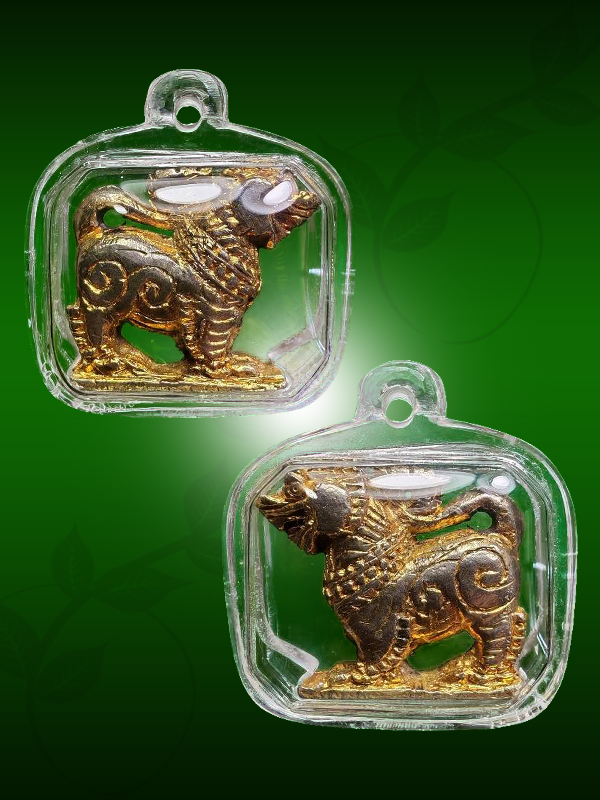
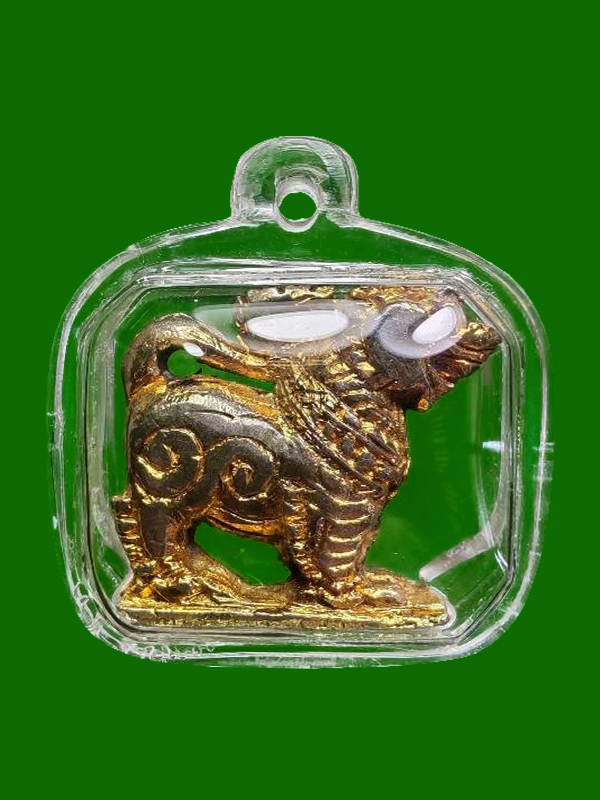
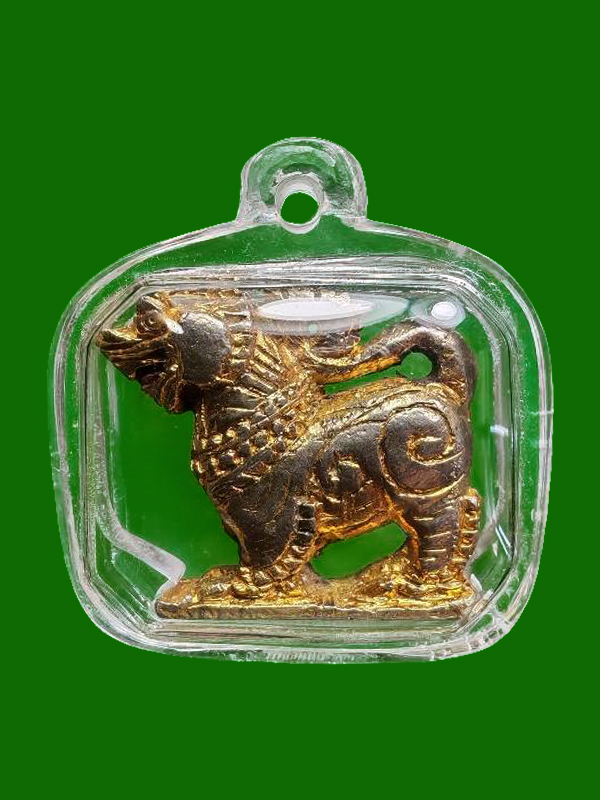
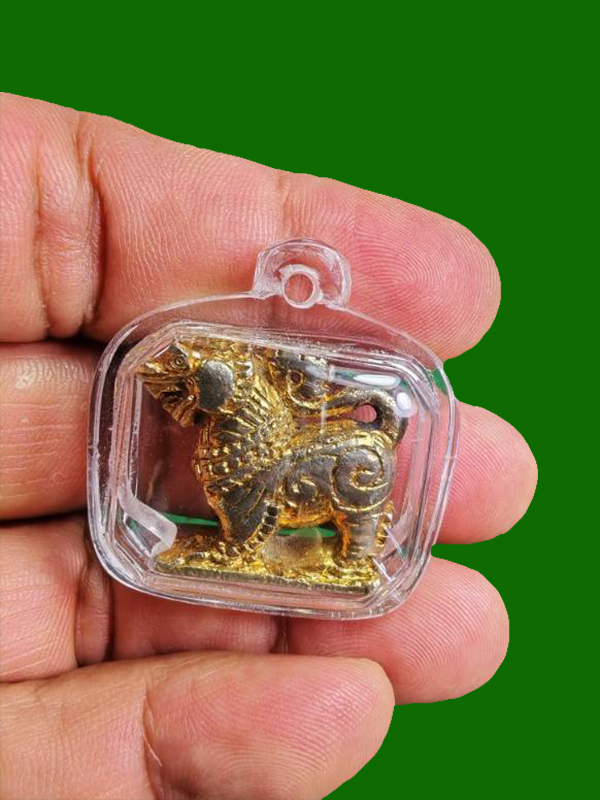
Singha Lp Lhew Wat Singharam1st batch B.E.2519
- Made of Lead, Plated with gold
- Nice condition
- Power for protection
- Guarantee real 100%
The **First Generation Singh (Lion) Amulet by Luang Pu Lao, Wat Singharam** (lead material with gold plating) is one of the rare and highly sought-after lion (royal lion / Rajasiha) amulets in the Thai amulet community, especially among collectors of Lopburi-lineage monks.
### History of Luang Pu Lao, Wat Singharam
Luang Pu Lao (also called **Luang Pho Lao** in some groups) was a renowned sacred monk of **Wat Singharam** (also known as Wat Bua Chum), Bua Chum Subdistrict, Chai Badan District, Lopburi Province. He was a direct disciple and had close connections with prominent monks of his era. He created many series of sacred amulets, particularly the early ones made in very limited quantities, making them extremely rare and expensive today.
Wat Singharam is an ancient temple in the Chai Badan area, housing an important Buddha image called **Phra Phuttha Siha Ratcha** (an ancient Buddha statue created around B.E. 2500 / 1957 CE), which may be linked to the temple’s name and the “lion” theme in its amulets.
### Details of the First-Generation Singh Creation
– **Series**: First generation (commonly called “First-Generation Singh” or “Luang Pu Lao’s First-Generation Singh”).
– **Creation Period**: Based on auction and trading data, it is estimated to have been created around B.E. 2519–2522 (1976–1979 CE). Some sources link it closely to the Singh-backed medal from B.E. 2519, made to consecrate the ordination hall (ubosot), but the cast lion figurine first generation is typically classified as one of the earliest amulet creations by the monk.
– **Material**: Primarily **lead with gold plating** (lead gilded with gold), which is the most commonly seen variant in this style. Some pieces may be in other alloys, such as bronze or blackened brass, but lead with gold plating is the most discussed in relation to your query.
– **Appearance**: Shaped as a royal lion (Rajasiha), either adorned/regal style or standing/sitting pose. Some have sacred scripts (jarn) or stamped codes under the base (e.g., Kongchak code or the monk’s handwritten inscription). They feature a small loop for wearing as a pendant. Some have inscriptions around all four sides of the base.
– **Quantity Created**: Extremely limited production (some information states the first-generation cast lion was made in a restricted number, such as 85 pieces corresponding to the monk’s age at the time), making them very rare and hard to find in today’s market.
– **Powers/Benefits (Puttakhun)**: Believed to possess strong protective qualities, warding off dangers, enhancing good fortune and auspiciousness, boosting authority and charisma (aligned with the royal lion theme), and serving as a guardian lion for the home or temple.
第一代狮子(Singh)佛牌 – หลวงปู่เหล่ว วัดสิงหาราม(铅质镀金)
第一代狮子(ราชสีห์)佛牌由หลวงปู่เหล่ว制作,是泰国佛牌界中极为稀有且备受追捧的狮子造型圣物,尤其在罗勇府(Lopburi)系高僧收藏圈中人气极高。
หลวงปู่เหล่ว วัดสิงหาราม 简介 หลวงปู่เหล่ว(部分群体称为หลวงพ่อเหล่ว)是罗勇府猜巴丹县(Chai Badan)布春乡(Bua Chum)วัดสิงหาราม(又称วัดบัวชุม)的著名高僧。他是当时知名高僧的直系弟子,与多位前辈法师关系密切。他制作了许多系列圣物,尤其是早期批次产量极少,因此如今极为稀有,价格高昂。
วัดสิงหาราม 是猜巴丹地区一座古老寺庙,寺内供奉重要佛像พระพุทธสีหราช(约佛历2500年,即公元1957年左右铸造的古老佛像),这可能与寺名及圣物中的“狮子”主题有关。
第一代狮子佛牌制作信息
- 批次:第一代(俗称“第一代狮子”或“หลวงปู่เหล่ว第一代狮子”)
- 制作年份:根据拍卖及交易资料推测,大约在佛历2519–2522年(公元1976–1979年)。部分来源指出与佛历2519年狮子背面奖牌(用于供奉僧堂)时间相近,但第一代铸造狮子造型通常被归类为法师最早期的圣物制作期。
- 材质:主要为铅质镀金(铅材表面镀金),这是此款中最常见的材质。部分佛牌可能使用其他合金,如青铜或黑熏黄铜,但铅质镀金是最常被提及的版本。
- 外观:造型为皇家狮子(Rajasiha),有装饰华丽型或站姿/坐姿。部分佛牌底部有手写经文(จารย์)或打码(如Kongchak码或法师亲手印记),带有小环可佩戴于颈部。有些佛牌基座四面皆有经文。
- 制作数量:产量极少(有资料称第一代铸造狮子仅限量制作,例如对应法师当时年龄的85尊),因此在当今市场极为罕见。
- 功德:信众认为具有强大的护身、辟邪功效,能增福添吉祥、提升权势与威严(符合皇家狮子主题),并被视为寺庙与家宅的守护狮子。