
Description
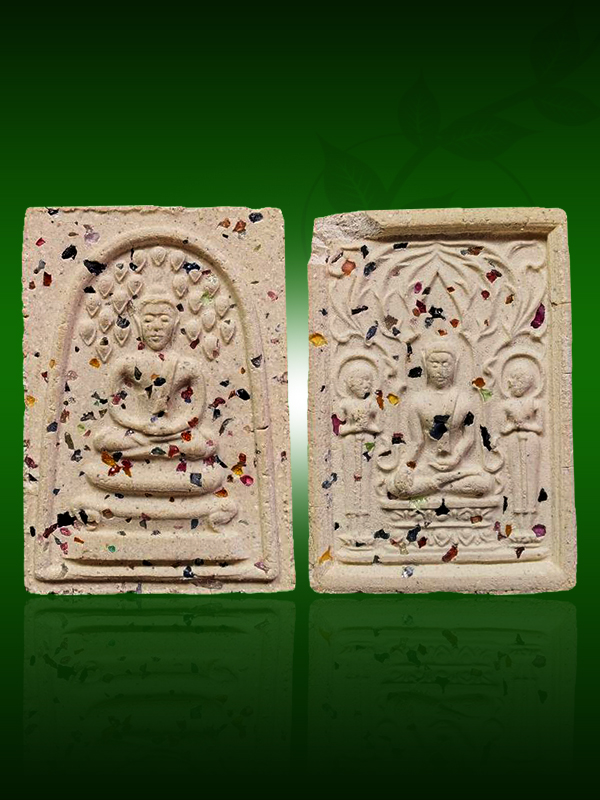
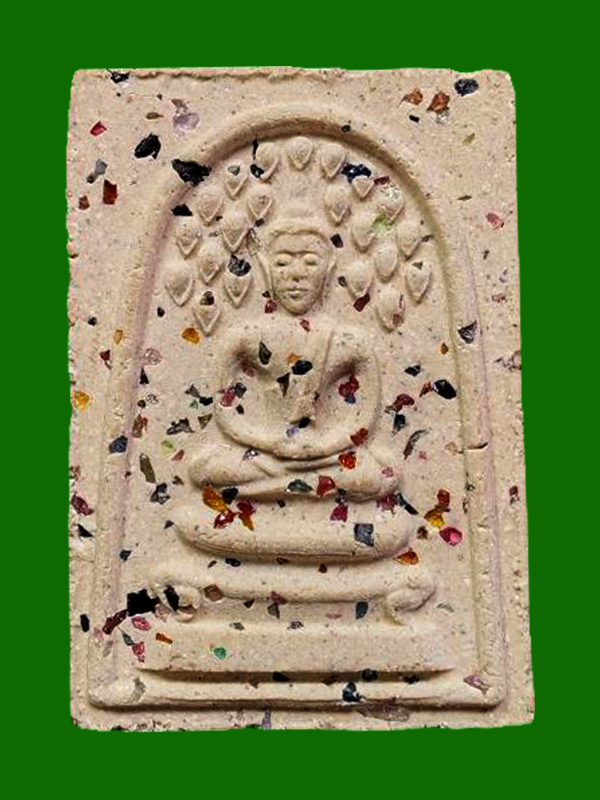
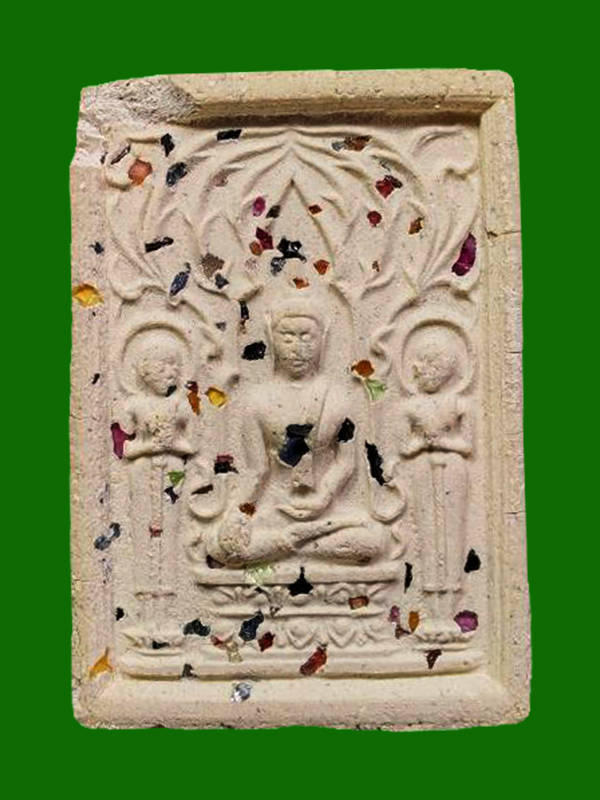
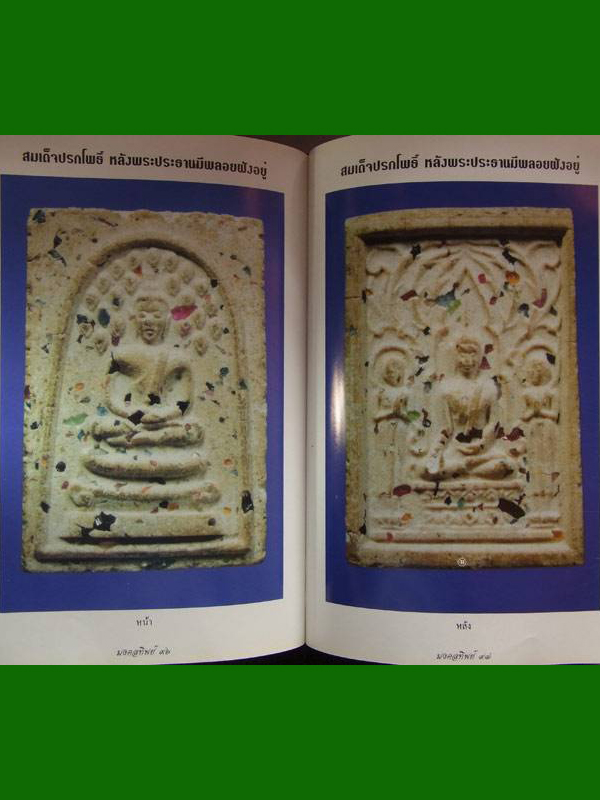
Phra Somdej with Phra Pru Nang Wat Chinoros B.E.2512
- Made of Sacred powder
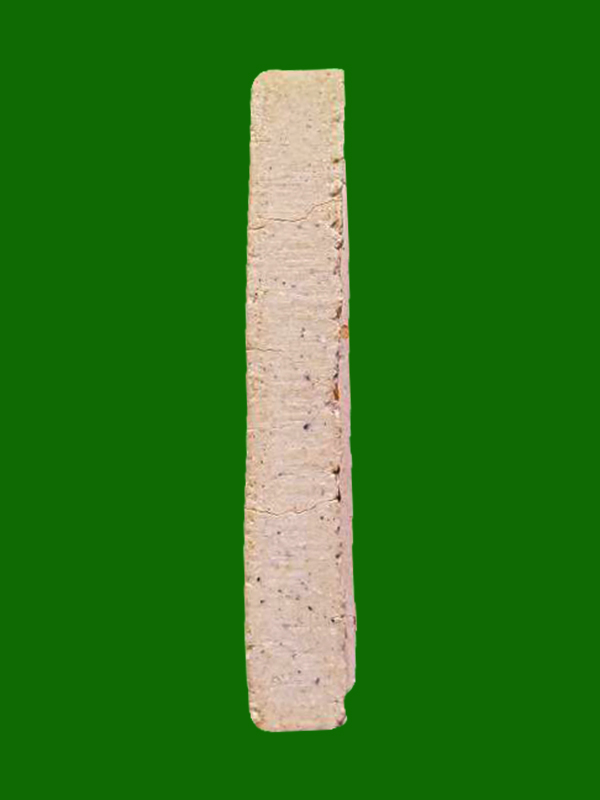
- Used condition
- Rare item, Filled ore
- Chanted by Lp Kuay Wat Kositaram and more
- Guarantee real 100%
History and Creation Details of Phra Somdej, Back with Phra Pru Nang (Pru Nang Mold), Wat Chinoros, Powder Material, B.E. 2512
The Phra Somdej with Pru Nang back (also called Pru Nang mold or back with Pru Nang Buddha) from Wat Chinoros Aram Worawihan (Wat Chinoros), Bangkok, is one of the key molds from the major consecration ceremonies held in B.E. 2512. This was a significant year for the temple as multiple batches of sacred objects were created to raise funds for the restoration and permanent upkeep of the royal temple (Wat Chinoros is a royal monastery). Notably, that year featured five Saturdays in certain months, which contributed to the especially powerful rituals involving a large number of renowned guru monks.
Background of Creation In B.E. 2512, Wat Chinoros organized several large-scale Buddha-abhisheka (consecration) ceremonies throughout the year to support temple renovations. The main organizers and key figures behind the production were three monks:
- Phra Maha Pradat Naen Na (from Saphan Buri, Chai Nat Province; a devoted follower of Luang Pho Koon)
- Phra Palad Manop (disciple of Luang Pu Suk, Wat Pho Sai Thong)
- Phra Ajarn Kaew Mani Ngam
The major ceremonies took place around August 2512 (e.g., 22–31 August in some records), during which various Phra Somdej molds were created, including the rare Pru Nang back mold. The front features the classic Phra Somdej with bodhi leaf canopy (standard Somdej design), while the reverse depicts the ancient Pru Nang Buddha image (an archaic-style seated Buddha figure, sometimes simply called “Pru Nang” back). This mold gained high popularity due to its rarity and direct connection to the temple’s grand ceremonies.
Powder Material (Main Content of This Mold) The powder material (phong) used in the Pru Nang back Phra Somdej of 2512 is typically old sacred powder, sometimes mixed with palm-leaf powder (phong bai lan) or oil-infused powder. The material is hard and durable; over time it develops a characteristic green-tinged patina (wealth-attracting green-gray) or deep black from the leaf powder/oil aging. This creates a beautiful natural surface. The content is rare due to limited production and over 50 years of age. Core ingredients came from ancient sacred powders (such as old Phra Somdej Wat Rakhang or old Phra Kring powders) blended with various holy substances.
Mold Details (Phim)
- Main mold: Front – Phra Somdej under bodhi leaf canopy (standard seated Somdej); Back – Pru Nang Buddha (clear archaic seated Buddha figure)
- Size: Medium to large (some pieces have an attached loop for wearing)
- Material: Palm-leaf powder or oil-infused powder (green/blackish tones); extremely rare in good condition
Consecration and Quantity The grand ceremonies involved more than 100 famous guru monks (some sources claim over 100 participating masters), especially those from the lineages of Luang Pho Koon and Luang Pu Toh, including:
- Luang Pho Koon Chutinatharo, Wat Kosit Aram (personally sat in solo blessing until nearly dawn, stating these were powerful and could substitute for his own amulets)
- Luang Pu Toh, Wat Pradoo Chimphli
- Luang Pho Phrom, Wat Chong Kae
- Luang Pu Suk, Wat Pho Sai Thong
- Luang Pho Nam, Wat Don Sala
- And many others such as Luang Pho Ngern, Wat Don Yai Hom; Luang Pho Hom, Wat Chak Mak; Luang Pho Dee, Wat Phra Roop, etc.
No exact production numbers were recorded, but output was limited (typical of that era—made mainly for distribution and worship, not mass commercial sale). The 2512 batch from Wat Chinoros is considered one of the temple’s largest and most powerful ceremony sets, offering comprehensive blessings, especially in metta mahaniyom (great charm), klaew klad (evasion of danger), fortune attraction, and protection. Among collectors, it is regarded as a rare and well-documented piece from authentic grand rituals.
พระสมเด็จ หลังพระปรุหนัง วัดชิโนรส เนื้อผง ปี 2512 的历史与制作详情(中文翻译)
พระสมเด็จ หลังพระปรุหนัง(也称为พิมพ์ปรุหนัง,或背面พระปรุหนัง模具)出自泰国曼谷 วัดชิโนรสารามวรวิหาร(简称วัดชิโนรส),是佛历 2512 年(公元 1969 年)大型加持仪式中的重要模具之一。那一年寺院为了修复皇家寺院(วัดชิโนรส 为皇家寺院)而举办多次大型圣物制作活动,尤其因为当年某些月份出现五个星期六,仪式特别隆重且参与的高僧众多,灵力极强。
制作背景 佛历 2512 年,วัดชิโนรส 举办多场大规模佛像加持仪式(พุทธาภิเษก),以筹集资金永久维护寺院。主要负责组织的三位僧侣为:
- พระมหาประดับ แน่นหนา(来自猜纳府沙攀武里,极度信仰หลวงพ่อกวย)
- พระปลัดมานพ(หลวงปู่สุข วัดโพธิ์ทรายทอง 的弟子)
- พระอาจารย์แก้ว มณีงาม
主要仪式集中在 2512 年 8 月(部分资料记载为 8 月 22–31 日),期间制作了多种พระสมเด็จ 模具,其中包括稀有的หลังพระปรุหนัง 模具。正面为经典พระสมเด็จ 覆盖菩提叶(标准 Somdej 造型),背面为古代พระปรุหนัง 佛像(古老坐姿佛像,有时简称为“ปรุหนัง”背面)。此模具因稀有且直接源于寺院大型仪式而备受欢迎。
เนื้อผง(本模具主要材质) 本批次使用的ผง材质(粉末)通常为古老圣粉,有时混合棕榈叶粉(ผงใบลาน)或油浸粉。材质坚硬耐用,经过岁月会形成独特的“招财绿”(灰绿色调)或深黑色(来自叶粉或油的老化)。表面呈现美丽的自然包浆。因产量有限且已有超过 50 年历史,此材质极为稀有。主要成分来自古圣粉(如旧วัดระฆัง 的พระสมเด็จ 或旧พระกริ่ง 粉末),混合各种神圣物质。
模具样式(Phim)
- 主要模具:正面——菩提叶覆盖下的พระสมเด็จ(标准坐姿 Somdej);背面——พระปรุหนัง 佛像(清晰的古老坐姿佛像)
- 尺寸:中型至大型(部分带有吊环可佩戴)
- 材质:棕榈叶粉或油浸粉(绿色/深黑色调);保存完好的极罕见
加持与数量 仪式由超过 100 位知名高僧共同加持(部分资料称超过 100 位大师参与),尤其是หลวงพ่อกวย 与หลวงปู่โต๊ะ 传承的高僧,包括:
- หลวงพ่อกวย ชุตินธโร วัดโฆสิตาราม(亲自单独加持至天亮前,称此批为极品,可替代自己的圣物)
- หลวงปู่โต๊ะ วัดประดู่ฉิมพลี
- หลวงพ่อพรหม วัดช่องแค
- หลวงปู่สุข วัดโพธิ์ทรายทอง
- หลวงพ่อนำ วัดดอนศาลา
- 以及其他如หลวงพ่อเงิน วัดดอนยายหอม、หลวงพ่อหอม วัดชากหมาก、หลวงพ่อดี วัดพระรูป 等众多高僧
没有确切的制作数量记录,但属于限量生产(当时主要用于分发与供奉,而非大量商业销售)。佛历 2512 年的วัดชิโนรส 批次被视为寺院史上最大、最强的仪式之一,佛力全面,尤其在 metta mahaniyom(大慈悲人缘)、klaew klad(避险逃难)、招财与护身方面。在收藏家眼中,此批为来源明确、稀有且具历史价值的真品。


