
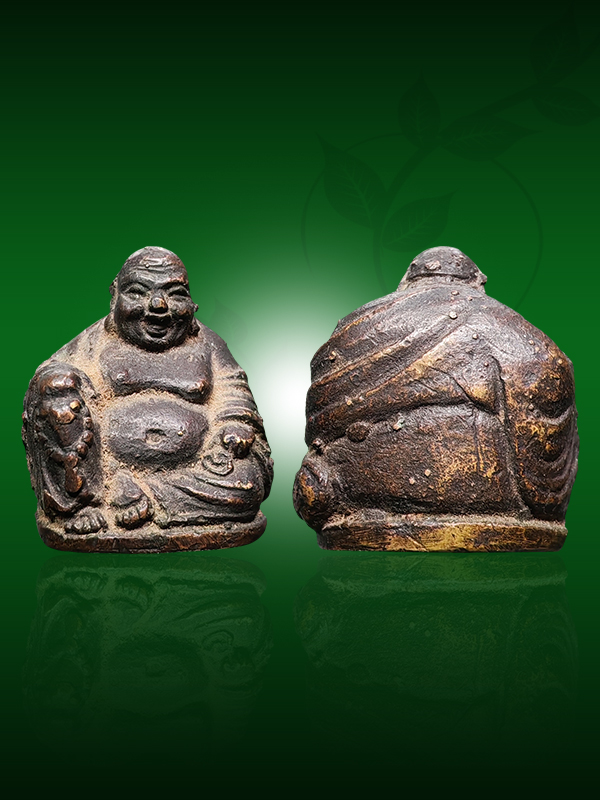
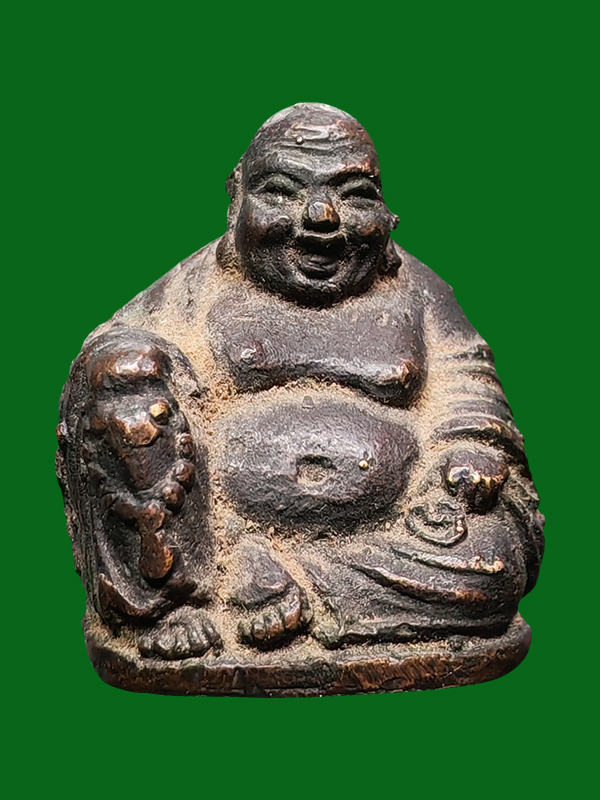
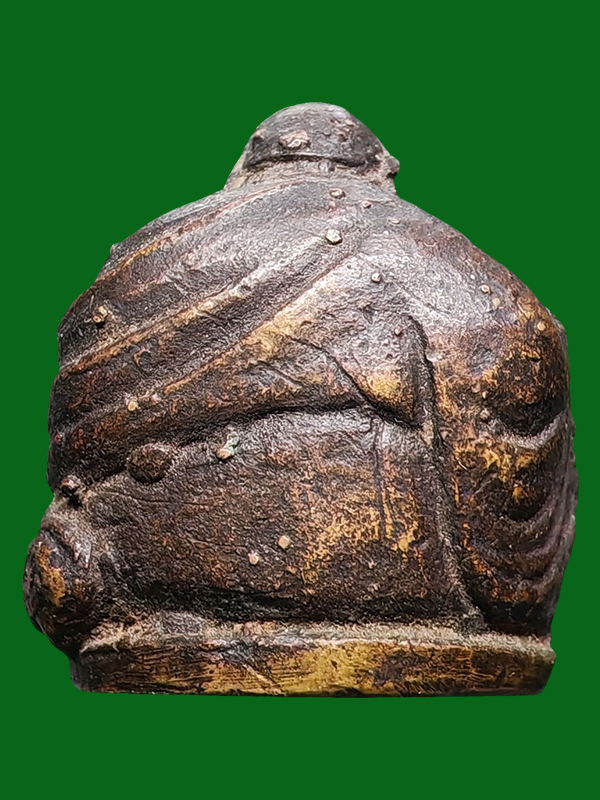
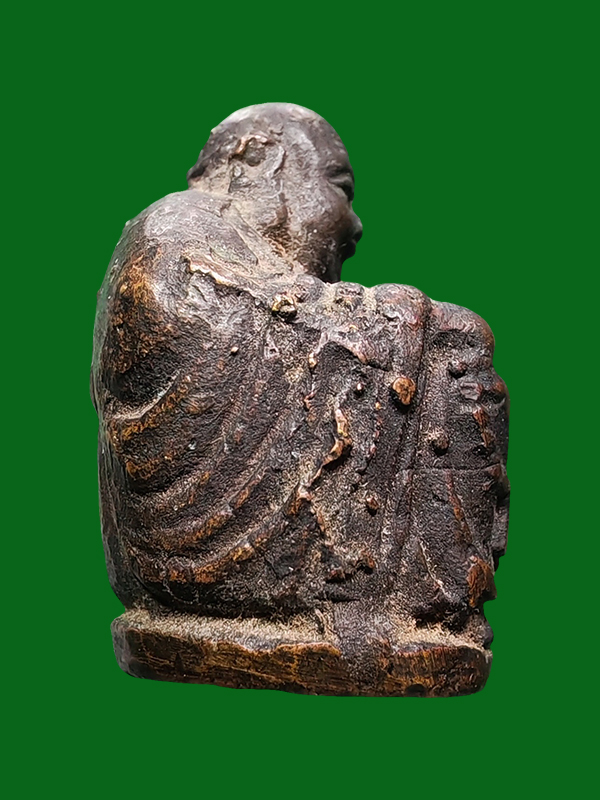
Description
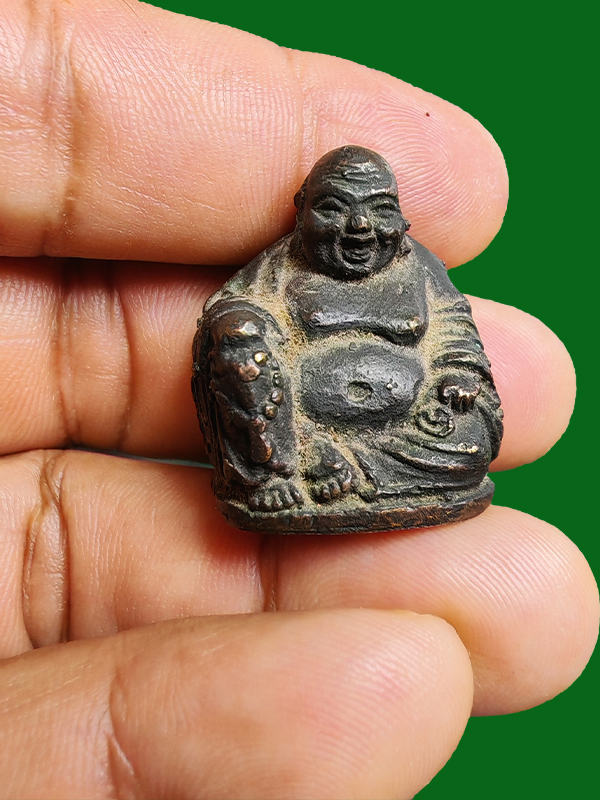
Phra Sangajai Wat Chinoros B.E.2512 (mass chanted)
- Made of Bronze
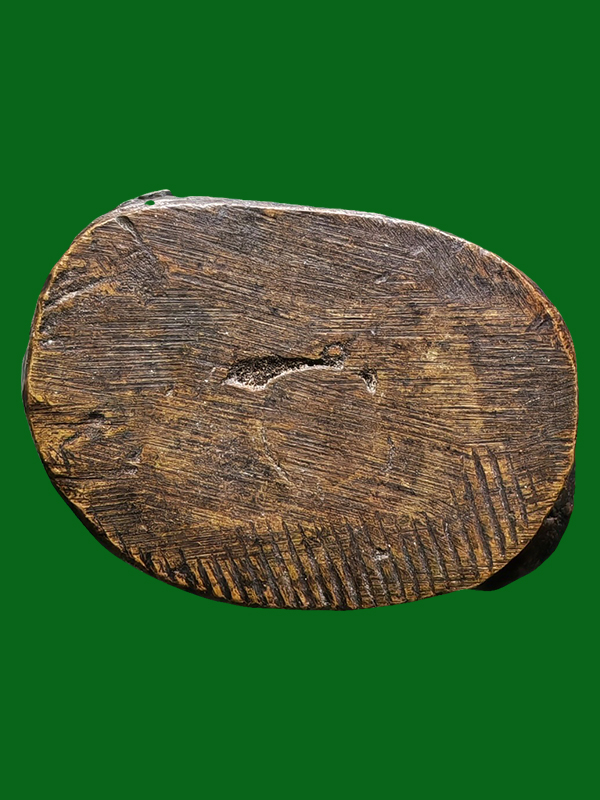
- No stamped code
- Nice condition
- Mass chanted by many famous monks such as, Lp Kuay Wat Kositaram, Lp Toh Wat Pradochimplee and more
- Guarantee real 100%
Phra Sangajai Amulet, Mixed Bronze, Wat Chinoras, B.E. 2512 (1969), Bangkok
The Cast Metal Phra Sangajai Amulet (Mixed Bronze), Wat Chinorasaram Worawihan (Wat Chinoras), Bangkok, B.E. 2512 (1969), is widely recognized in the Thai amulet circle as one of the most valuable cast statues of the Chief Disciples. It is renowned for being produced in one of the grandest consecration ceremonies ever held at Wat Chinoras, featuring sacred empowerments by the most prominent master monks of that era.
1. History and Creation Background
-
Organizer: Organized and created by Phra Maha Pramuan Thitadhammo, together with Phra Ajarn Kaew and their group of disciples.
-
Objective: To raise funds for the restoration of permanent structures and monastic dwellings within Wat Chinorasaram Worawihan, Bangkok Noi District, Bangkok.
-
Creation Intent: Pure and explicit intent, focusing on crafting amulets according to ancient traditions to provide devotees with sacred objects for protection and blessings.
2. Sacred Materials and Characteristics
-
Mixed Brass/Bronze (Lo Ha Phasom): Cast by melting sacred metal alloys, inscribed Yantra sheets from prominent famous monks of that era, and holy remnants from older Phra Kring and Phra Chaiwat editions.
-
Appearance and Texture: Features a dense mixed metal tone reflecting over five decades of age. The surface typically displays mold residue, original casting skin, or natural patina from traditional ancient casting techniques.
3. Grand Consecration Ceremony (B.E. 2512 / 1969)
The B.E. 2512 consecration ceremony at Wat Chinoras was one of the largest rituals of its era, spanning 9 days and 9 nights (August 22–31, 1969). including:
-
Luang Pu Toh of Wat Pradou Chimphli, Bangkok
-
Luang Por Kuay of Wat Khositaram, Chainat Province (who also brought a portion of the amulets back to empower further at his own temple)
-
Luang Por Ngen of Wat Don Yai Hom, Nakhon Pathom Province
-
Luang Por Mui of Wat Don Rai, Suphan Buri Province
-
Luang Pu Suk of Wat Pho Sai Thong, Buri Ram Province
-
Luang Por Phrom of Wat Chong Khae, Nakhon Sawan Province
4. Artistic Features and Identification Points
-
Iconography: Depicts Phra Sangajai seated in the cross-legged posture with a smiling, serene expression. His right hand holds prayer beads or displays a gesture of mercy, while his left hand supports his stomach, symbolizing abundance and happiness.
-
Casting Style: Created using traditional ancient casting techniques, featuring a robust, well-proportioned posture with crisp mold lines. The underside of the base typically shows original filing marks from hand finishing.
5. Sacred Efficacy (Puttakhun)
Representing an enlightened Arahant of supreme wealth, combined with the spiritual powers of master monks, its efficacy is renowned across multiple areas:
-
Wealth and Fortune: Exceptional in loving-kindness (Metta Maha Niyom), promoting business growth, trade success, and the flow of wealth.
-
Safety and Protection: Provides strong protection against danger and enhances personal fate for ongoing prosperity.
泰国曼谷奇诺罗斯寺(Wat Chinoras)佛历2512年(公历1969年)混合铜善加财尊者小立尊历史与制作背景
曼谷奇诺罗斯寺(Wat Chinorasaram Worawihan / Wat Chinoras)佛历2512年(1969年)混合铜善加财尊者小立尊,是佛牌收藏界公认最具价值且最受追捧的大阿罗汉尊者圣物之一。该圣物诞生于奇诺罗斯寺历史上最盛大的加持法会之一,并得到了当时多位顶尖高僧的共同加持。
1. 历史与制作背景
-
督造发起人: 由 帕摩诃普拉莫(Phra Maha Pramuan Thitadhammo) 联合 阿赞考(Phra Ajarn Kaew) 及众弟子共同发起督造。
-
督造目的: 筹集资金用于修复曼谷曼谷少区奇诺罗斯寺内的寺院建筑与僧舍设施。
-
制作初衷: 意图纯正且明确,遵循古法制作佛牌圣物,供信众佩戴护身与祈福。
2. 圣料与材质特征
-
混合铜材质(Lo Ha Phasom): 熔融了多种神圣金属熔料、当时多位名僧手写符片,以及早期药师佛(Phra Kring)与胜利佛(Phra Chaiwat)的古老符片熔料。
-
包浆与质感: 混合金属质地浓厚,历经五十余年岁月沉淀。表面多保留有翻模外壳痕迹、原皮色泽或古法铸造所产生的自然氧化老包浆。
3. 盛大加持法会(佛历2512年 / 1969年)
佛历2512年奇诺罗斯寺的加持仪式被称为当代最盛大的法会之一,历时 9天9夜(1969年8月22日至31日)。邀请了全国多位祖师级名僧共同诵经加持,包括:
-
龙普多(Luang Pu Toh) – 曼谷 Wat Pradou Chimphli
-
龙婆贵(Luang Por Kuay) – 猜纳府 Wat Khositaram(后带回部分圣物于本寺继续加持)
-
龙婆银(Luang Por Ngen) – 佛统府 Wat Don Yai Hom
-
龙婆木(Luang Por Mui) – 素攀武里府 Wat Don Rai
-
龙普สุข(Luang Pu Suk) – 武里南府 Wat Pho Sai Thong
-
龙婆普罗姆(Luang Por Phrom) – 那空沙旺府 Wat Chong Khae
4. 造像艺术与鉴别特征
-
佛像形态: 善加财尊者呈盘腿打坐姿态,面容丰满喜悦。右手持念珠或作慈悲印,左手托腹,象征着衣食无忧与福报圆满。
-
铸造工艺: 采用传统古法铸造,法相魁梧比例协调,线条清晰。底部通常留有古代手工锉刀修饰的痕迹。
5. 佩戴功效(Puttakhun)
作为代表大富贵与大福报的阿罗汉尊者,结合多位高僧的法力加持,其功效极其全面:
-
招财与人缘: 极具慈悲人缘(Metta Maha Niyom),促进商业贸易、生意兴隆与财源广进。
-
避险保平安: 具备强大的辟邪挡灾与保平安功效,助力运势蒸蒸日上。


