
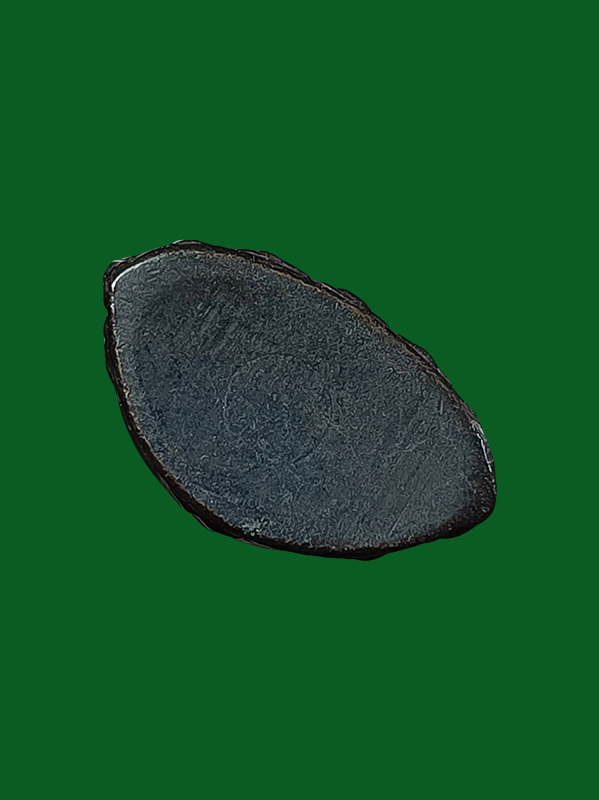
Description
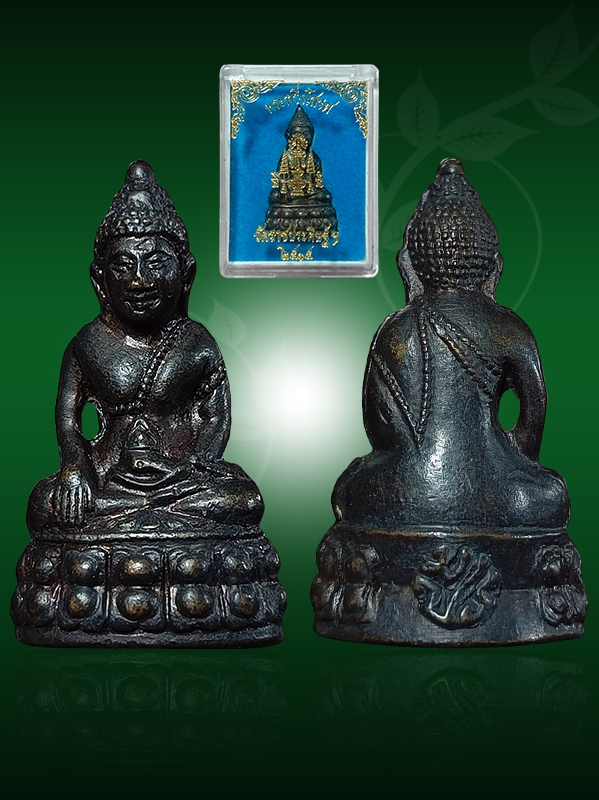
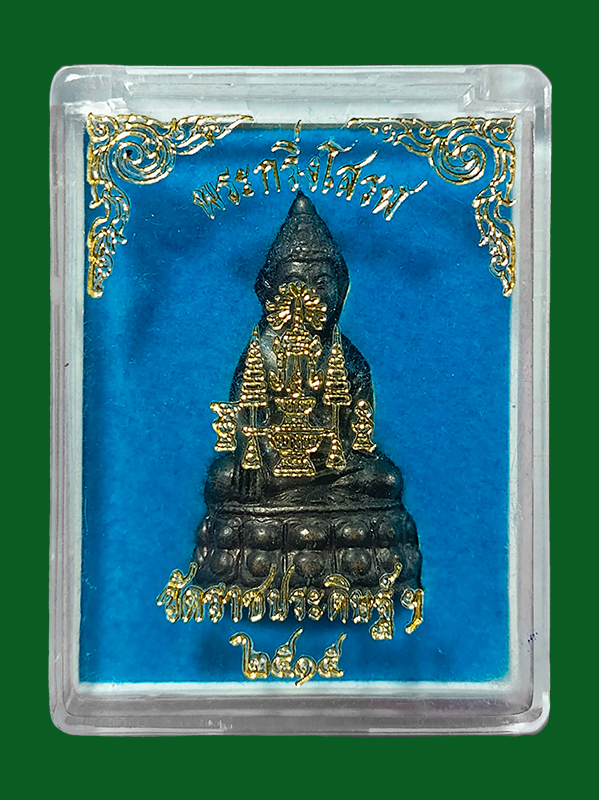
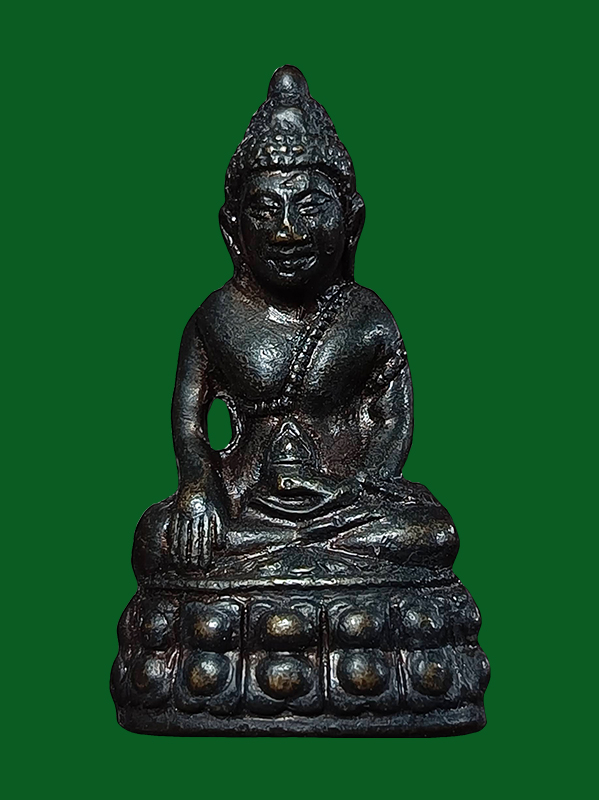
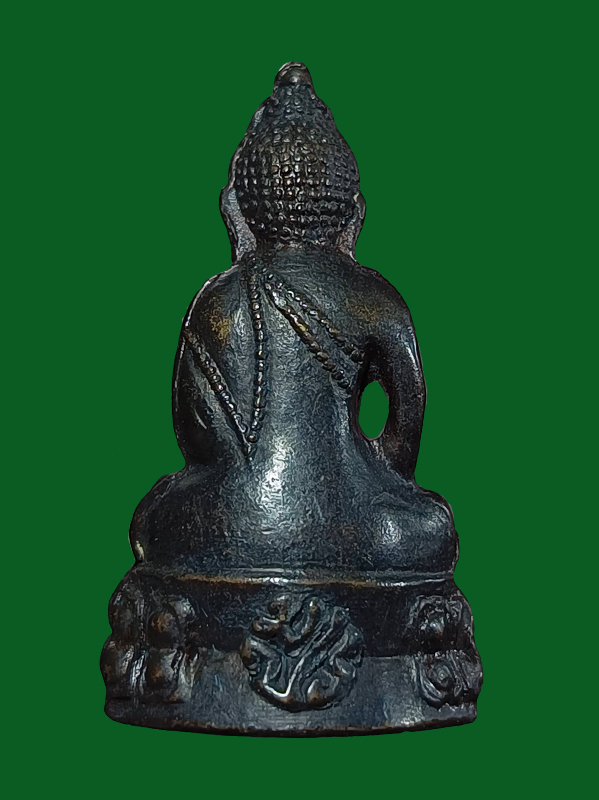
Phra Kring “Soros” Wat Radpradit B.E.2515
- Made of bronze, Blackening
- Very nice condition
- With temple box
- Mass chanted by Many famous monks such as Lp Tim Wat Rahanrai, Lp Toh Wat Pradochimplee, Lp Do Wat Sakhae and more
- Guarantee real 100%
Phra Kring Solos M.P.R. (พระกริ่งโสฬส มปร., Phra Kring 16 with M.P.R. initials) from Wat Ratchapradit Sathit Maha Sima Ram Ratcha Worawihan (วัดราชประดิษฐ์สถิตมหาสีมารามราชวรวิหาร, commonly called Wat Ratchapradit), Bangkok, created in B.E. 2515 (พ.ศ. 2515, which is A.D. 1972).
This amulet was created to commemorate the 108th anniversary of the temple’s establishment (ครบ 108 ปี, equivalent to 9 zodiac cycles). The temple was founded by King Rama IV (พระบาทสมเด็จพระจอมเกล้าเจ้าอยู่หัว รัชกาลที่ 4) in B.E. 2408 (A.D. 1865) as the first royal temple for the Dhammayut sect (ธรรมยุติ). The event was under royal patronage, with Somdet Phra Maha Wirawong (Tim Utthathimmaha Thera, สมเด็จพระมหาวีรวงศ์ (ทิม อุฑาฒิมมหาเถร)) as the abbot at the time (holding the title Phra Dhamma Pamokkha) leading the monastic side, and General Praphas Charusathien as the lay patron.
His Majesty King Bhumibol Adulyadej (King Rama IX, พระบาทสมเด็จพระเจ้าอยู่หัวภูมิพลอดุลยเดช รัชกาลที่ 9) personally presided over the gold-casting ceremony for Phra Nirantarai Buddha images (พระนิรันตราย) on March 10, B.E. 2515, producing 908 pieces. The remaining gold alloy (ชนวน) was used to create other sacred objects, including this Phra Kring Solos.
The creation method used injection molding (ฉีด, injection) with brass material (ทองเหลือง, brass), blackened finish (รมดำ, blackened), or some gold-plated (กะไหล่ทอง, gold-plated). It is modeled after the Phra Kring lineage from Wat Suthat (วัดสุทัศน์). The front features a lotus petal base, and the back has the royal initials “ม.ป.ร.” (M.P.R., standing for Mongkut Paramarajadhiraj, มงกุฎ ปรมราชาธิราช, the abbreviated royal name of King Rama IV). Some pieces have a ringing sound from the embedded bell (กริ่ง, ringing mechanism), while others are silent due to the hole being sealed.
Main quantity: 50,000 pieces in blackened brass/bronze (เนื้อทองแดงรมดำ or ทองเหลืองรมดำ). Gold-plated versions were distributed mainly to committee members (approximately 3,000 pieces). The grand consecration ceremony (พุทธาภิเษกและมังคลาภิเษก) took place in the royal vihara from November 16-26, B.E. 2515, for 9 days and 9 nights. 108 revered monks (เท่าอายุวัด 108 รูป) from across Thailand were invited to perform the blessing, 12 per night, including famous masters such as Luang Pu Toh (หลวงปู่โต๊ะ) Wat Pradue Chimphli, Luang Pu Tim (หลวงปู่ทิม) Wat Laharn Rai, Luang Pu Waen (หลวงปู่แหวน) Wat Doi Mae Paeng, Luang Pho Phae (หลวงพ่อแพ) Wat Pikun Thong, Luang Pho Ngoen (หลวงพ่อเงิน) Wat Don Yai Hom, Luang Ta Maha Bua (หลวงตามหาบัว) Wat Pa Ban Tad, and many others from all regions.
Powers (พุทธคุณ) Renowned for Kongkraphan Chatri (คงกระพันชาตรี, invulnerability and protection from weapons/danger), Klaew Klad (แคล้วคลาด, evasion of danger and accidents), Metta Maha Niyom (เมตตามหานิยม, great loving-kindness, popularity, and charm), luck, fortune, success in business and negotiations.
From devotee experiences and accounts from masters (e.g., Luang Pu Toh reportedly said this version is excellent and can substitute for older Wat Suthat Phra Kring editions), its powers are comprehensive due to the inclusion of the Triple Gem (พระรัตนตรัย: Buddha, Dharma, Sangha) and royal grace from two kings—King Rama IV (via the M.P.R. initials) and King Rama IX (who cast the gold and blessed it)—making it highly protective (แคล้วคลาดเยี่ยม) and auspicious for wearers.
Purpose of Creation (วัตถุประสงค์ในการสร้าง) Created to celebrate the temple’s 108th anniversary, generate funds for temple restoration and repairs (which had deteriorated over time), promote faith in Buddhism and the monarchy (honoring both King Rama IV as founder and King Rama IX), and serve as a keepsake for disciples and Buddhists. It provides a sacred object for worshippers to carry for protection, auspiciousness, and encouragement in moral conduct and daily life.
历史与制作信息 (Lìshǐ yǔ zhìzuò xìnxī, ประวัติและข้อมูลการสร้าง) พระกริ่งโสฬส มปร. (Phra Kring Solos M.P.R., พระกริ่ง 16 พร้อมย่อ ม.ป.ร.) 来自 Wat Ratchapradit Sathit Maha Sima Ram Ratcha Worawihan (วัดราชประดิษฐ์สถิตมหาสีมารามราชวรวิหาร, 简称 Wat Ratchapradit),曼谷,佛历2515年 (Fó lì 2515 nián, พ.ศ. 2515 หรือ ค.ศ. 1972)。
此佛牌是为纪念寺庙建立108周年 (ครบ 108 ปี, 相当于9个生肖周期) 而制作。寺庙由拉玛四世国王 (King Rama IV, พระบาทสมเด็จพระจอมเกล้าเจ้าอยู่หัว รัชกาลที่ 4) 于佛历2408年 (A.D. 1865) 创立,是泰国第一座属于法相应派 (Dhammayut sect, ธรรมยุติ) 的皇家寺庙。该活动在皇家赞助下进行,由当时住持 Somdet Phra Maha Wirawong (Tim Utthathimmaha Thera, สมเด็จพระมหาวีรวงศ์ (ทิม อุฑาฒิมมหาเถร))(持有 Phra Dhamma Pamokkha 称号)领导僧侣一方,Praphas Charusathien 将军担任俗家赞助人。
普密蓬·阿杜德陛下 (King Bhumibol Adulyadej, King Rama IX, พระบาทสมเด็จพระเจ้าอยู่หัวภูมิพลอดุลยเดช รัชกาลที่ 9) 亲自于1972年3月10日主持浇铸 Phra Nirantarai 佛像的金仪式,铸造908尊。随后剩余的金合金 (ชนวน) 用于制作其他圣物,包括此 Phra Kring Solos。
制作方法采用注射成型 (injection molding, ฉีด) ,材质为黄铜 (brass, ทองเหลือง),表面熏黑 (blackened finish, รมดำ),部分镀金 (gold-plated, กะไหล่ทอง)。仿照 Wat Suthat 的 Phra Kring 系列。正面为莲瓣底座,背面有皇家缩写 “ม.ป.ร.” (M.P.R., Mongkut Paramarajadhiraj, มงกุฎ ปรมราชาธิราช,拉玛四世国王的皇家缩写)。部分佛牌内部有铃铛机制 (กริ่ง, ringing sound),有些有声音,有些因孔被封而无声。
主要数量:50,000尊熏黑黄铜/青铜 (เนื้อทองเหลืองรมดำ or ทองแดงรมดำ)。镀金版主要分发给委员会成员 (约3,000尊)。盛大的加持仪式 (พุทธาภิเษกและมังคลาภิเษก, grand consecration) 于1972年11月16-26日在皇家佛堂举行,持续9天9夜。邀请泰国各地108位高僧 (เท่าอายุวัด 108 รูป) 每晚12位进行加持,包括著名上师如 Luang Pu Toh (หลวงปู่โต๊ะ) Wat Pradue Chimphli、Luang Pu Tim (หลวงปู่ทิม) Wat Laharn Rai、Luang Pu Waen (หลวงปู่แหวน) Wat Doi Mae Paeng、Luang Pho Phae (หลวงพ่อแพ) Wat Pikun Thong、Luang Pho Ngoen (หลวงพ่อเงิน) Wat Don Yai Hom、Luang Ta Maha Bua (หลวงตามหาบัว) Wat Pa Ban Tad 等来自全国四方的知名法师。
功德 (Gōng dé, พุทธคุณ) 以 Kongkraphan Chatri (คงกระพันชาตรี, 刀枪不入与防危险) 出名,Klaew Klad (แคล้วคลาด, 避开危险与意外)、Metta Maha Niyom (เมตตามหานิยม, 大慈大悲、人缘极佳、魅力与受欢迎)、好运、财富、生意谈判成功。
根据信徒经验和上师记载 (例如 Luang Pu Toh 曾说此版极佳,可替代旧版 Wat Suthat Phra Kring),其功德全面,因为包含三宝 (Triple Gem, พระรัตนตรัย: 佛、法、僧) 以及两位国王的皇家恩德——拉玛四世 (通过 M.P.R. 缩写) 和拉玛九世 (亲自浇金并加持)——使之防护力极强 (แคล้วคลาดเยี่ยม) 并为佩戴者带来吉祥。
制作目的 (Zhìzuò mùdì, วัตถุประสงค์ในการสร้าง) 为庆祝寺庙108周年而制作,筹集资金修复寺庙 (因年久失修而损坏),推广对佛教和君主制的信仰 (尊崇拉玛四世作为创立者和拉玛九世),作为弟子和佛教徒的纪念品。提供圣物让信徒随身携带,以求防护、吉祥,并鼓励道德行为与日常生活。


