Description
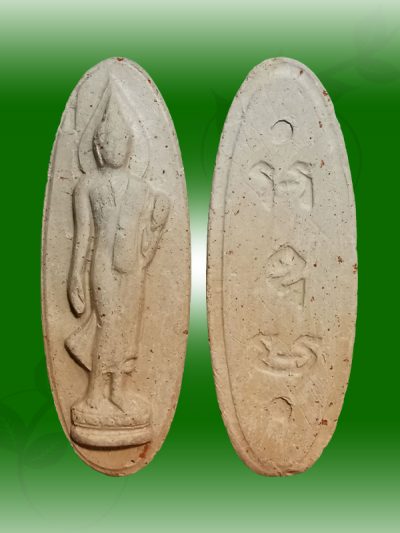
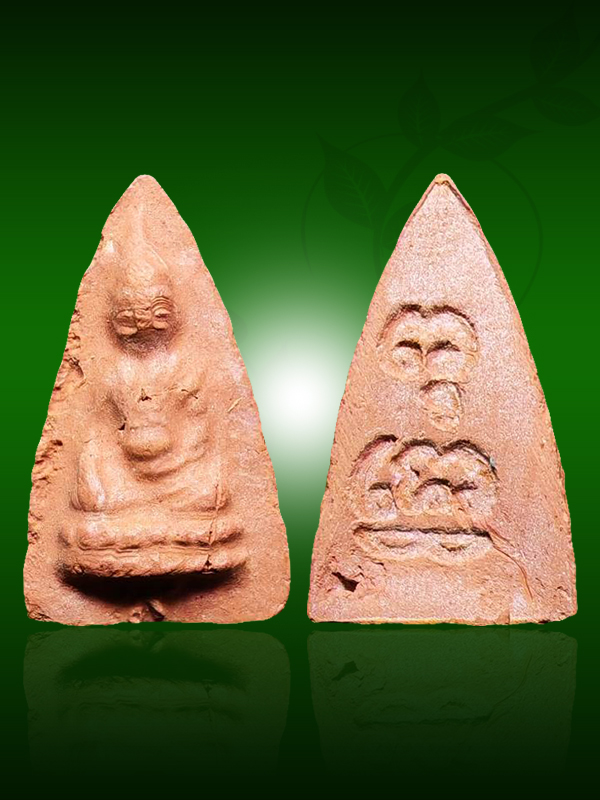
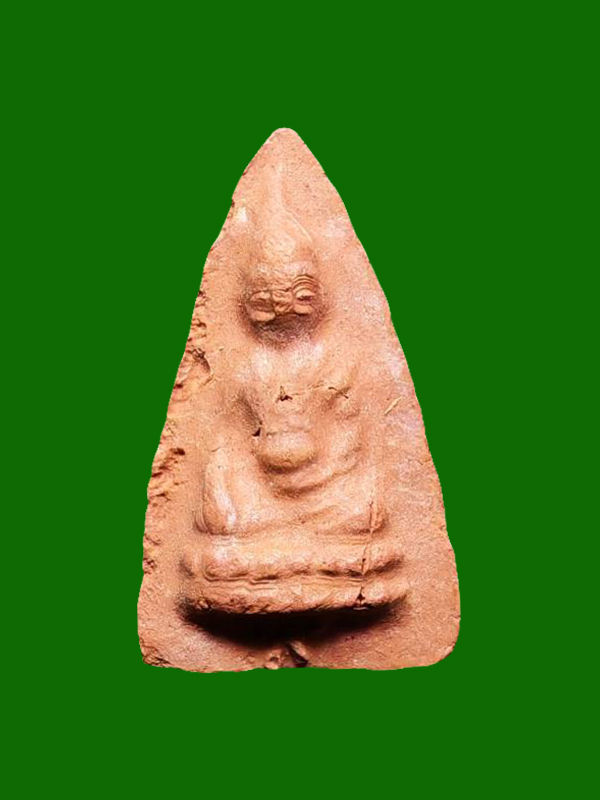
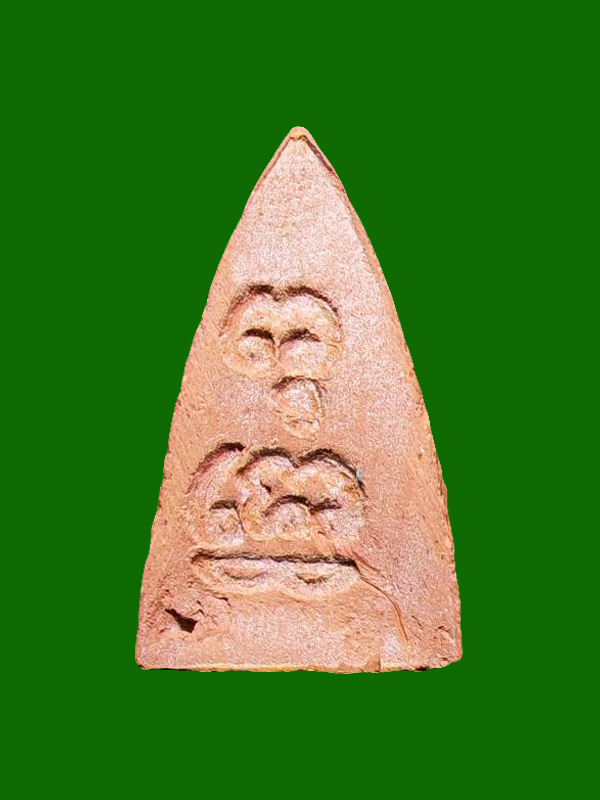
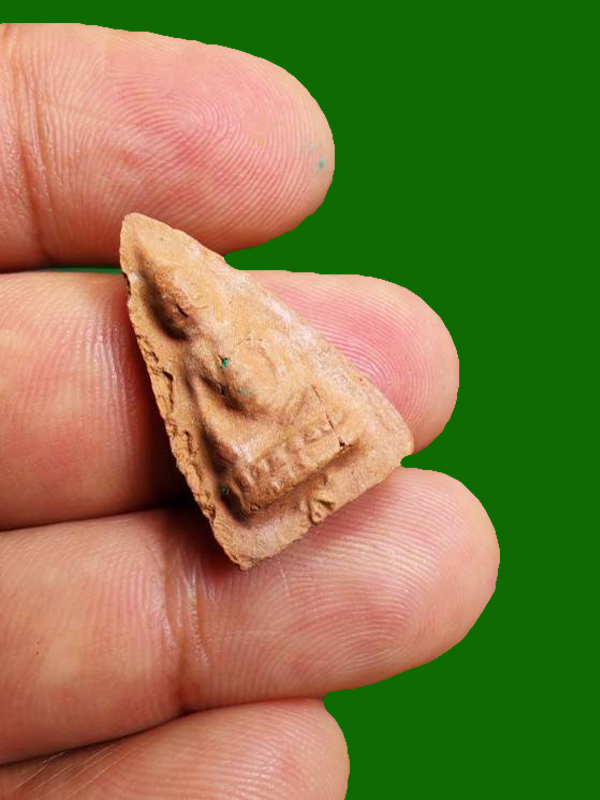
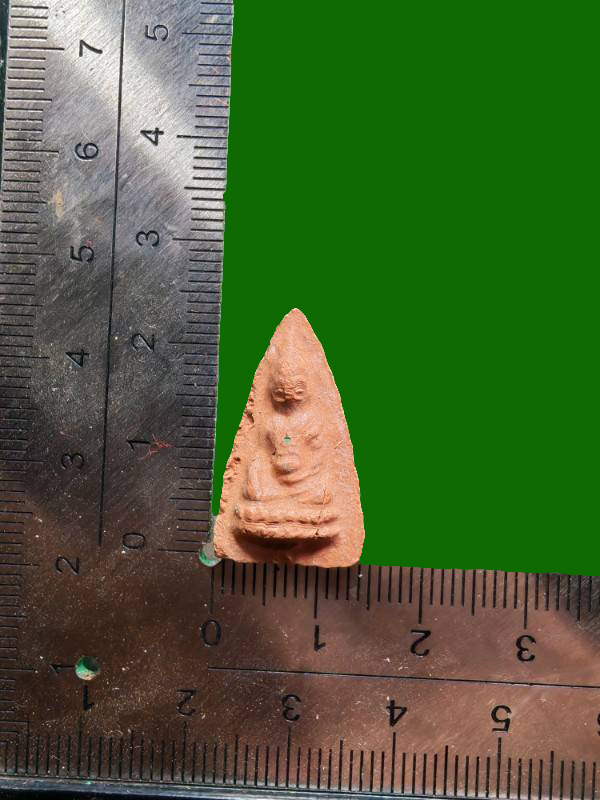
Phra Buddhonoi Lp Sangwan Wat Tungsamakhitham 1st batch B.E.2527
- Made of baked clay
- Phim Lek (small size)
- Nice condition
- Guarantee real 100%
History and Creation Details of Phra Putthano Noi (Small Buddha), Luang Pho Sangwan, Wat Thung Samakkhi Tham, First Batch, B.E. 2527, Earth Material
The Phra Putthano Noi, first batch (also commonly referred to as the Phra Puttho year 2526), created by Luang Pho Sangwan Khemako of Wat Thung Samakkhi Tham, Amphoe Sam Chuk, Suphan Buri Province, is the very first amulet series made by him. In the amulet community, it is mostly dated to B.E. 2526 (some sources and experts place it around 2526–2527 due to the extended creation and delivery process to the temple), primarily to raise funds for constructing the temple’s ordination hall (ubosot).
Background of Creation Around B.E. 2526, Wat Thung Samakkhi Tham was in the process of building its ordination hall. Luang Pho Sangwan consulted with his close Dharma friend, Luang Pho Suwan Phaphasaro (Suwan Thongnak) of Wat Awut Wiksitaram, a direct disciple of Mae Chee Boon Ruean Tong Bun Toem (Mae Chee Boon Ruean). They discussed ways to gather the four requisites (funds). Luang Pho Suwan suggested creating small Buddha amulets in the style of Mae Chee Boon Ruean’s Phra Putthano Noi to honor donors. Luang Pho Sangwan agreed and entrusted Luang Pho Suwan to handle the creation at Wat Awut, with no fees involved—only hoping for shared merit in completing the ordination hall.
The process took a long time because Luang Pho Suwan was not yet expert in amulet making. He experimented repeatedly, adjusting the front and back molds multiple times, resulting in varied designs and materials across the batch, but all pieces are interconnected. Once completed, the amulets were gradually brought to Wat Thung Samakkhi Tham. Luang Pho Sangwan sometimes came to receive them personally, or Luang Pho Suwan delivered them. At times, Luang Pho Sangwan traveled to Wat Awut up to four times a month.
Earth Material (Main Content of This Batch) The earth material is the most popular and accounts for about 90% of the total production (with a smaller portion being raw earth). When fired, it becomes strong and durable, often emerging with a beautiful red color and powdery residue coating, or occasionally deep black (not from leaf powder but due to uneven firing). The fired earth is robust and highly regarded.
Key Sacred Materials
- Damaged and broken Phra Putthano Noi amulets from Mae Chee Boon Ruean, year B.E. 2494, in large quantities (about 2 big buckets). Luang Pho Suwan offered 20,000 baht in dana to obtain these broken pieces and old powder, which were ground finely and mixed in. (Mae Chee Boon Ruean once stated that amulets she had consecrated, even if broken, retain their power when ground and remade.)
- Relics (ash bones) and Angkhan Dhatu powder from Mae Chee Boon Ruean.
- Mystic earth (Din Nimit) from Wat Khao Saraphat Dee: Luang Pho Sangwan perceived its special qualities through insight, led disciples to dig it up from the pond, formed it into large fist-sized balls wrapped in cloth, brought it back to the temple, dissolved it in the alms bowl of Luang Pho Phong (received from a donor), and consecrated it first before using as material.
- Other sacred items such as holy stone water (Sila Nam), sacred popped rice (Khao Tok Phra Ruang), consecrated red lime, etc.
Molds (Phim) Created in multiple molds based on Mae Chee Boon Ruean’s Phra Putthano Noi from B.E. 2494 and Wat Awut’s version from B.E. 2511. Includes large, medium, and small sizes (e.g., the popular small base “S. Lek” with tight wings and flat base). Back designs vary: Dharma text (sermons), plain, yantra, small/large boat, etc. The small flat-base versions are very rare, some called “mini” molds.
Consecration and Quantity Luang Pho Suwan handled the initial creation and blessing, then brought them to Luang Pho Sangwan for additional consecration and adhisthana. No exact quantity is recorded, but production was limited and occurred only once at Wat Awut, mostly involving close disciples of Luang Pho Suwan.
This batch is considered the first and most significant of Luang Pho Sangwan, directly inheriting the sacred power from Mae Chee Boon Ruean. The fired earth material is highly respected among practitioners and collectors of sacred amulets.
佛陀小佛(Phra Putthano Noi) หลวงพ่อสังวาลย์ วัดทุ่งสามัคคีธรรม 第一批 次,佛历 2527 年,土质材料 的历史与制作详情(中文翻译)
หลวงพ่อสังวาลย์ เขมโก 于泰国素攀府三竹县(Amphoe Sam Chuk)วัดทุ่งสามัคคีธรรม 所制作的佛陀小佛(Phra Putthano Noi)第一批(也常被称为佛历 2526 年的佛陀佛),是祂生平制作的第一款护身符。在护身符界中,大多数人将其归类为佛历 2526 年(部分资料或专家因制作及送抵寺庙的过程较长,而定为大约 2526–2527 年),主要目的是筹集资金兴建寺院的僧侣戒堂(ubosot)。
制作背景 大约在佛历 2526 年,วัดทุ่งสามัคคีธรรม 正在兴建僧侣戒堂。หลวงพ่อสังวาลย์ 与祂的法友 หลวงพ่อสุวรรณ ปภัสโร(Suwan Thongnak)——วัดอาวุธวิกสิตาราม 的住持,也是 แม่ชีบุญเรือน โตงบุญเติม(简称แม่ชีบุญเรือน)的直系弟子——商讨筹措四资具(资金)的方法。หลวงพ่อสุวรรณ 建议仿照แม่ชีบุญเรือน的佛陀小佛样式制作小型佛像,以回馈捐款者。หลวงพ่อสังวาลย์ 同意后,便委托หลวงพ่อสุวรรณ 在วัดอาวุธ 负责制作,不收取任何费用,只希望共同累积兴建戒堂的功德。
制作过程耗时颇长,因为หลวงพ่อสุวรรณ 当时对制作护身符尚未熟练,多次试验、反复修改正反面模具,导致这一批护身符的样式与材质呈现多样性,但所有佛像之间皆有连结。完成后,陆续将佛像送至วัดทุ่งสามัคคีธรรม,有时由หลวงพ่อสังวาลย์ 亲自前来领取,有时由หลวงพ่อสุวรรณ 奉上。期间,หลวงพ่อสังวาลย์ 曾一个月往返วัดอาวุธ 多达四次。
土质材料(本批次主要材质) 土质材料是本批次最受欢迎的材质,约占总制作量的 90%(少部分为生土)。经窑烧后变得坚硬耐用,常呈现美丽的红色并带有粉状覆盖层,部分则为深黑色(并非加入叶粉,而是因烧制火候不均所致)。烧制后的土质坚固且备受推崇。
主要圣物成分
- 来自แม่ชีบุญเรือน 佛历 2494 年的佛陀小佛,大量已损坏或破碎的佛像(约两大桶)。หลวงพ่อสุวรรณ 以 20,000 铢布施,换取这些破碎佛像及旧粉末,研磨成细粉后混合使用。(แม่ชีบุญเรือน 曾开示:经她加持祈愿的佛像,即使破碎后重新研磨再制,仍保有原有神圣力量。)
- แม่ชีบุญเรือน 的舍利骨灰及昂卡纳元素(Angkhan Dhatu)粉末。
- 来自วัดเขาสารพัดดี 的神圣泥土(Din Nimit):หลวงพ่อสังวาลย์ 以慧眼感知其特殊性,带领弟子从池塘中挖掘,制成拳头大小的圆球,用布包裹带回寺院,溶解于从信众处获得的 หลวงพ่อป้อง 的钵盂中,先行加持后再作为材料使用。
- 其他圣物,如圣石水(Sila Nam)、พระร่วง 爆米(Khao Tok Phra Ruang)、加持过的红色石灰等。
模具样式(Phim) 以แม่ชีบุญเรือน 佛历 2494 年的佛陀小佛及วัดอาวุธ 佛历 2511 年的版本为原型,制作出大、中、小多种尺寸(如广受欢迎的小底座“S. Lek”款式,翅膀紧贴佛身、底座平整)。背面样式多样,包括:佛法文字(经文)、素面、符咒、小/大船形等。小底座平整款数量极少,有些被称为“迷你”模具。
加持与数量 由หลวงพ่อสุวรรณ 负责初步制作与加持,随后送至หลวงพ่อสังวาลย์ 进行进一步祈愿加持。没有确切的制作数量记录,但属于限量制作,且仅在วัดอาวุธ 进行一次,主要参与者为หลวงพ่อสุวรรณ 的亲近弟子。
此批次被视为หลวงพ่อสังวาลย์ 的第一款且最具代表性的护身符,直接传承自แม่ชีบุญเรือน 的佛力。烧制土质材料在修行者与收藏家圈中备受尊崇。