Description
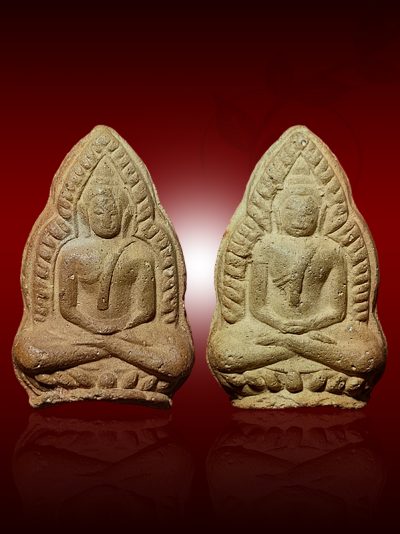
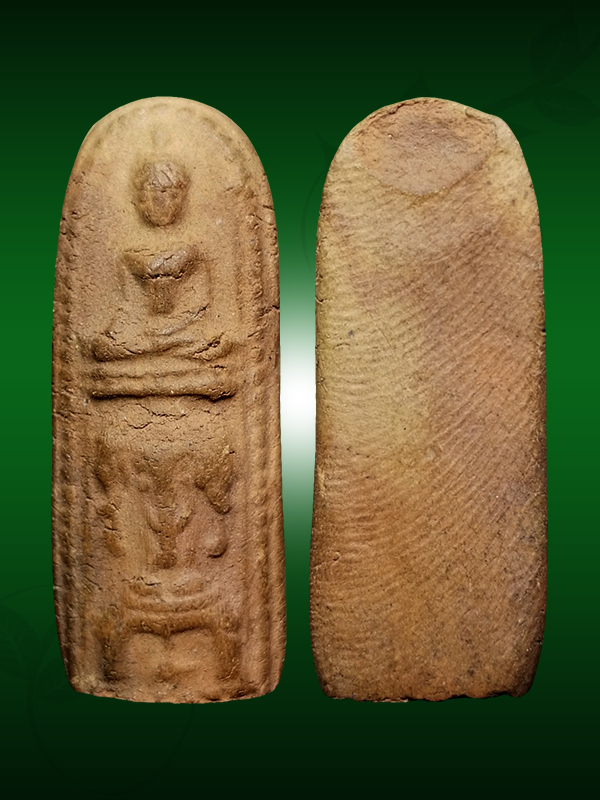
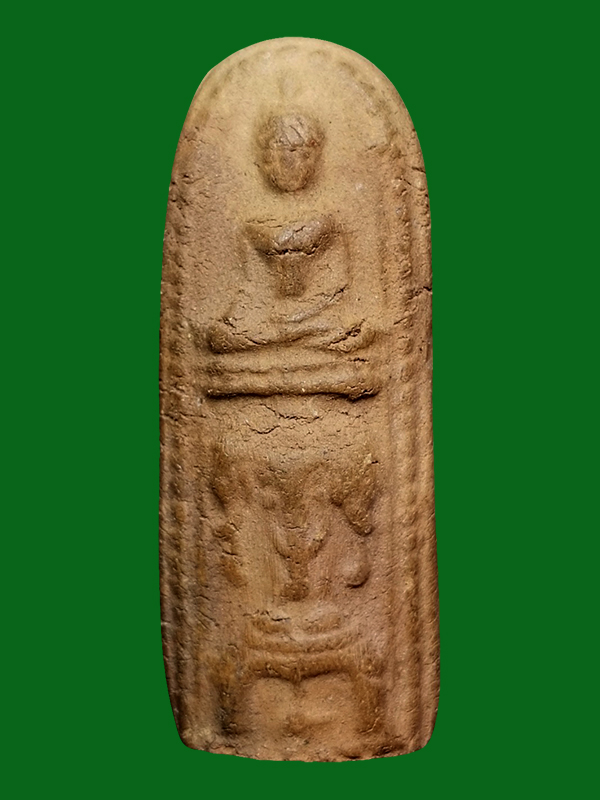
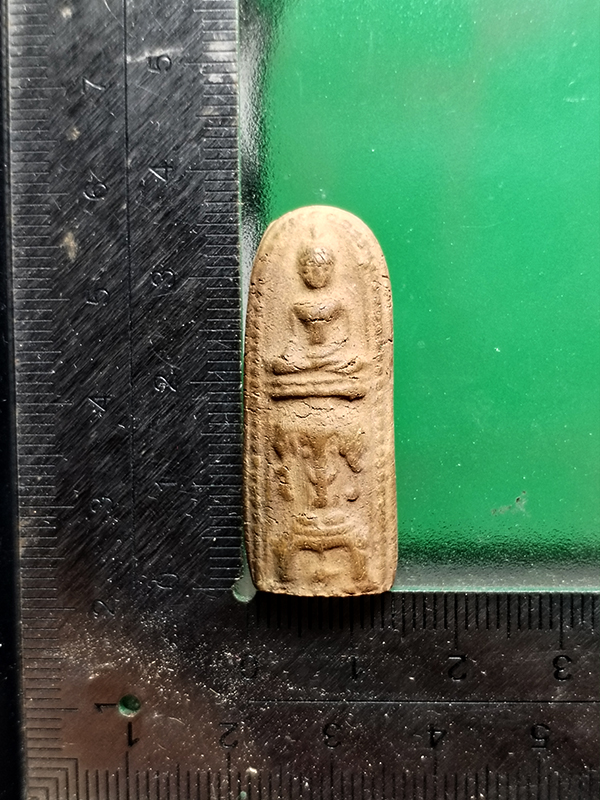
Phra Buddha sitting on the Elephant Lp Kreun Wat Sangkho B.E.around 2480
- Made of baked clay
- Good condition
- Power for protection, Metta Maha Niyom (charming)
- Guarantee real 100%
History and Information on the Creation of Phra Phut Song Chang, Luang Phor Kruen, Wat Sangkhositaram
1. Historical Background The Buddha riding an animal (elephant) amulet was created by Luang Phor Kruen Amaro of Wat Sangkhositaram, Suphan Buri Province. He continuously created and distributed baked clay amulets to his disciples starting from around 1937 (2480 B.E.) onwards, without specifying an exact year or single occasion for their creation. Luang Phor Kruen was a disciple who studied Vipassana meditation under Luang Phor Nong of Wat Khlong Madan. He was also a close contemporary of Luang Phor Sod of Wat Paknam, who once highly praised Luang Phor Kruen as a monk of great psychic and spiritual power.
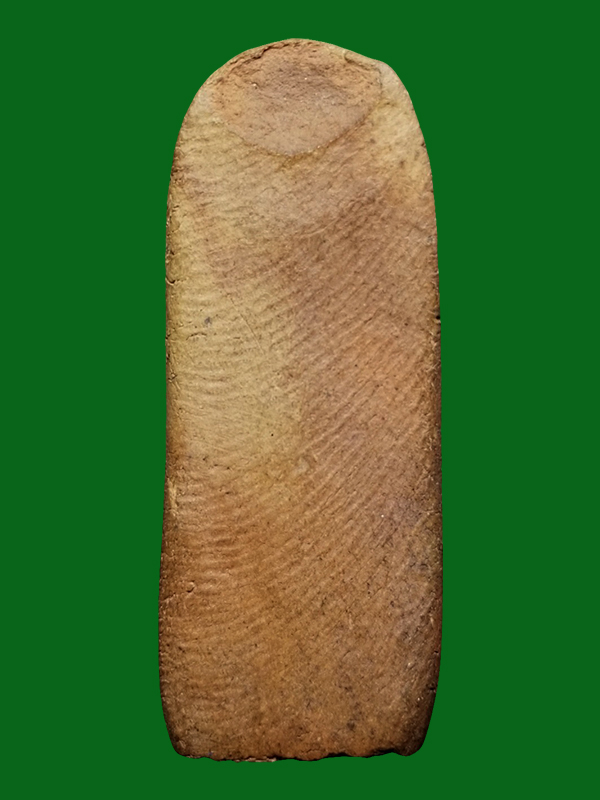
2. Materials and Unique Characteristics This series of amulets was primarily made from baked clay (though some pieces are found in sacred powder). They depict the image of the Buddha sitting on various animal vehicles, such as an elephant, Hanuman, or Garuda. The most crucial authentication point and unique characteristic of Luang Phor Kruen’s amulets is that the back will clearly show his deep “fingerprint” pressed into the clay during the molding process. Additionally, some amulets may feature stamped Khom characters or the Thai letter “ฆ” (Khor), which stands for Sangkho.
3. Consecration Rituals The consecration of Luang Phor Kruen’s amulets was not conducted in a single grand Phuttha Phisek ceremony. Instead, he utilized the method of solitary empowerment within his quarters quietly and continuously over long periods. Using the profound spiritual energy derived from his advanced Vipassana and Kasina meditation practices, he would bless the amulets until he was entirely confident in their power before distributing them to devotees visiting the temple.
4. Worshippers’ Experiences The spiritual efficacy of Luang Phor Kruen’s amulets is widely recognized, especially regarding:
-
Protection and Invulnerability (Klaew Klaad and Kong Kraphan): There were many legendary tales during the Indochina and Vietnam Wars where soldiers carrying his amulets miraculously survived deadly weapons and perilous situations, returning home safely.
-
Great Compassion and Popularity (Metta Mahaniyom): Enhances the wearer’s aura, making them highly favored and well-liked by others, while ensuring smooth business negotiations.
-
Danger Warning: Many worshippers have experienced mysterious occurrences; when danger or misfortune approaches, his amulets are known to somehow signal and warn the wearer in advance.
瓦桑科寺 龙婆垦 “骑象佛陀” 的历史与制作信息
1. 历史背景 骑乘动物(大象)法相的佛陀佛牌,由素攀武里府瓦桑科寺(Wat Sangkhositaram)的龙婆垦·阿玛罗(Luang Phor Kruen Amaro)督造。从佛历2480年(公元1937年)左右开始,他便持续不断地督造烘烤陶土佛牌并将其分发给信众,并没有固定或具体指定某一特定的年份来记录督造批次。龙婆垦曾跟随瓦空玛丹寺(Wat Khlong Madan)的龙婆弄学习内观禅修。他也是瓦白榄寺(Wat Paknam)龙婆术的密友与同修,龙婆术曾高度赞誉龙婆垦是一位法力极高的高僧。
2. 圣料与独特特征 该期圣物主要由烘烤陶土制成(也有部分为神圣粉末材质)。其法相为佛陀端坐于不同的动物座骑之上,例如大象、哈努曼或迦楼罗。龙婆垦佛牌最重要的鉴定依据和独特特征是:佛牌背面会清晰地留下大师在压模过程中深深印上的“指纹”。此外,部分佛牌的背面还可能额外印有高棉文字或泰文字母“ฆ”(Khor),代表“Sangkho”的缩写。
3. 加持仪式 龙婆垦佛牌的加持并没有举行过单次的大型开光法会。相反,他采用了在僧舍内独自静修、长期且持续加持的方式。凭借其深厚的内观禅修与遍处定(Kasina)所产生的强大精神力量,他会一直为这些佛牌加持,直到对它们的法力充满信心后,才会将它们结缘给来寺庙布施的信众。
4. 佩戴者反馈与神迹 龙婆垦佛牌的法力得到了广泛认可,特别体现在:
-
避险挡灾与刀枪不入(Klaew Klaad 与 Kong Kraphan): 在印度支那战争和越南战争期间流传着许多传奇故事,佩戴其佛牌的士兵都奇迹般地从致命武器和危险境地中生还。
-
超级人缘(Metta Mahaniyom): 增强佩戴者的气场,使其深受他人的喜爱与欢迎,并能使商业谈判顺利进行。
-
预警危险: 许多佩戴者都经历过离奇的事件;当危险或厄运临近时,他的圣物往往能提前发出信号,让佩戴者有所防备。