
Description
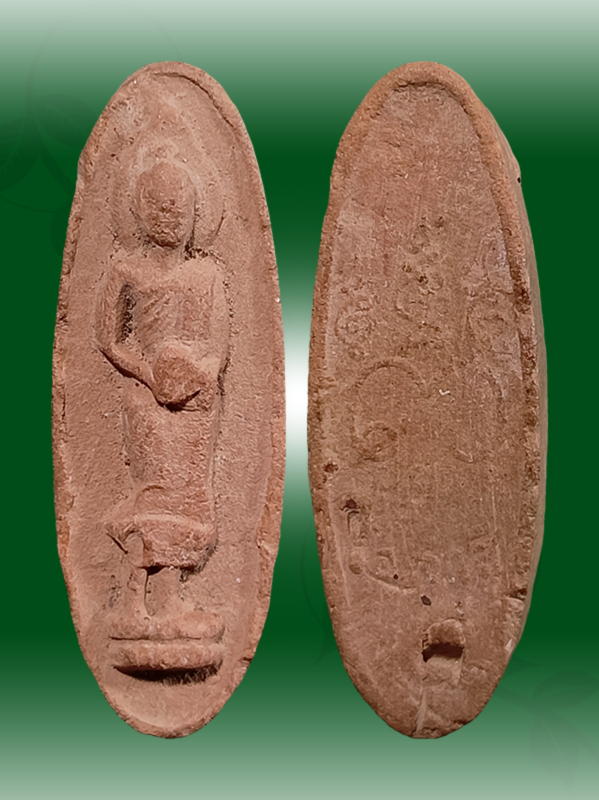
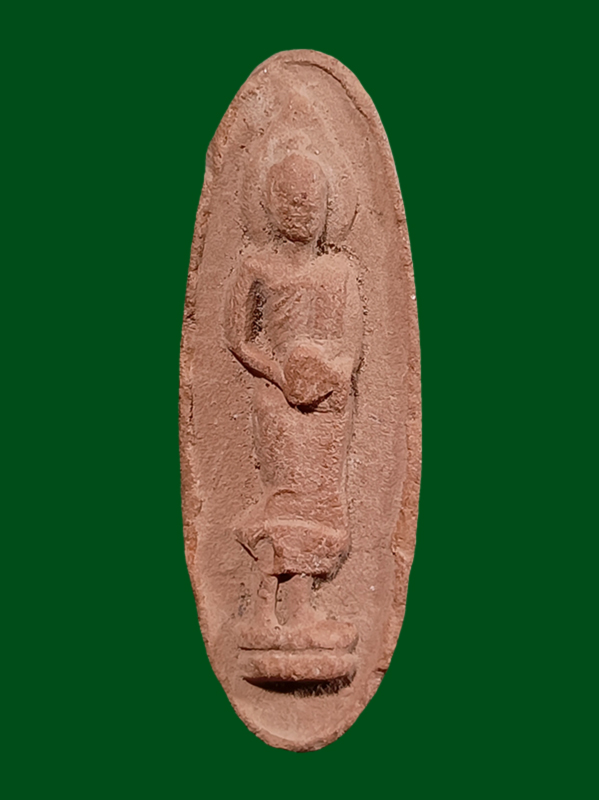
hra Buddha Holding an Alms Bowl Lp Ophasi Arsorm Bangmod B.E.2497
- Made of baked clay
- Good condition
- Power for bring wealth and protection
- Guarantee real 100%
History and Creation: Luang Por Ophasi’s Buddha Holding an Alms Bowl (1954)
Luang Por Ophasi made this sacred clay amulet in 1954 at Bang Mod Hermitage. It is one of the most famous amulets from the final years of his life. Disciples deeply respect this batch because of its pure intention, powerful blessing ceremony, and unique design.
History and Purpose
-
Building a Center: Between 1952 and 1954, local devotion grew in Bang Mod. The local community and the Buddhist Association of Thailand set up the Bang Mod Buddhist Association as a center for Dhamma practice, with Luang Por Ophasi as their spiritual leader.
-
Creating the Amulets: In 1954, the team asked Luang Por Ophasi for permission to make clay amulets mixed with holy powder. They created several shapes, including the Buddha Holding an Alms Bowl, the Blessing Buddha, and the Bidding Buddha (Phra Phuttha Kwak).
-
Raising Funds: The team gave these amulets to people who donated money to build the association’s office and start a local charity fund.
Materials and Making Process
-
Sacred Earth: Developers gathered fine soil and clay from ancient ponds and holy places, then ground and sifted it carefully.
-
Holy Powder and Ash: Luang Por Ophasi added his special holy powder and ash from his Techo Kasina fire rituals (where he burned items as an offering to the Buddha).
-
Traditional Firing: Workers pressed the clay mixture into molds and baked them using traditional methods. Temperature changes inside the kiln created different natural colors, ranging from brick orange and soft red to dark pink and greyish-black.
Design Features
-
Front Side: The front shows a standing Buddha on a base, holding an alms bowl at chest level. Most pieces have an oval or teardrop shape with simple, traditional artwork.
-
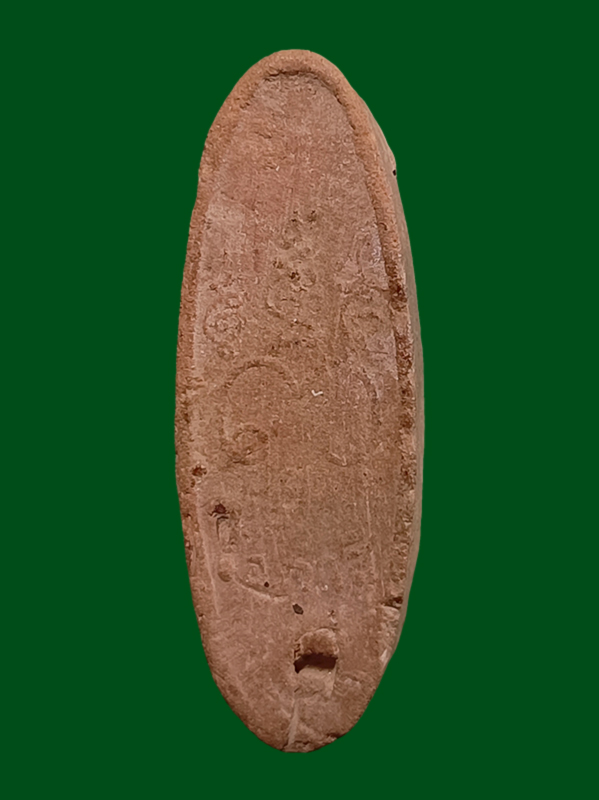
Back Side: The back is mostly flat, though some pieces show hand-pressing marks, scraping lines, or original thumbprints.
-
Clay Texture: The texture looks soft, dense, and naturally aged. You can see small mineral bits, baked earth grains, and white holy powder scattered throughout the surface.
Blessings and Spiritual Power
-
Consecration: Luang Por Ophasi blessed these amulets individually at Bang Mod Hermitage throughout the rainy season using his intense fire meditation power. After that, famous monks from the Thonburi and Chom Thong areas joined a major ceremony to add their blessings.
-
Spiritual Benefits: This image represents the Wednesday (Daytime) Buddha. The bowl symbolizes constant food and wealth, so believers trust this amulet to bring abundance, luck, and good fortune. The fire meditation power of Luang Por Ophasi also offers strong protection and safety.
曼谷邦莫修道院 龙婆欧帕史 2497年(1954年)持钵佛黏土佛牌
龙婆欧帕史于1954年在邦莫修道院制作了这尊掺入圣粉的黏土持钵佛。这是高僧晚年非常受推崇的经典佛牌。信众非常珍惜这批圣物,因为它的制作意图善洁,加持仪式圆满,而且造型十分独特。
历史与制作目的
-
建立佛学会: 1952年至1954年间,泰国佛教会与当地信众共同成立了“邦莫佛学会”,作为大家修行和弘法的中心,并邀请龙婆欧帕史担任精神导师。
-
制作佛牌: 1954年,委员会获得龙婆欧帕史的许准,制作了一批掺入圣粉的黏土烧制佛牌。这批佛牌包含多个模具,比如持钵佛、赐福佛和招财佛等。
-
筹集善款: 委员会将这些佛牌赠送给捐款兴建佛学会会所及设立慈善基金的善信。
制作原料与过程
-
收集圣土: 制作人员收集了来自多个圣地的细腻表土和古池塘泥土,并将它们仔细研磨和过筛。
-
圣粉与火观灰: 龙婆欧帕史在泥料中加入了自己亲制的神圣经粉,以及他在执行“火观禅定”(焚烧物品供佛的独特法门)后留下的圣灰。
-
传统烧制: 工人将泥料压入模具后,用传统窑炉进行烧制。由于窑内温度不同,佛牌呈现出自然的多种颜色,例如砖橙色、柔红色、紫红色和灰黑色。
外观特征
-
正面法相: 正面是一尊立于法台上的佛像,双手在胸前持钵。外形多为椭圆形或水滴形,展现了当时朴实的民间艺术风格。
-
背面特征: 背面大体平整,部分佛牌上可以看到当年人工压模时留下的手压痕迹、刮痕或指纹。
-
牌肉质地: 牌肉质地温润紧实,表面分布着细小的矿物颗粒、熟土微粒和白色圣粉,没有现代工厂黏土那种僵硬的感觉。
加持与功效
-
加持法会: 龙婆欧帕史在守夏节期间,于邦莫修道院运用深厚的火观禅定心法,亲自为这批佛牌逐一加持。随后,吞武里和庄通的多位知名高僧也共同参加了大型法会,为佛牌注入祝福。
-
圣物功效: 持钵佛是星期三(白天)的守护佛。钵盂象征着源源不绝的食物与财源,因此信众相信这尊佛牌能带来丰衣足食、招财纳福与良好的人缘。同时,龙婆欧帕史的火观法门也能为佩戴者提供平安与庇佑。


