
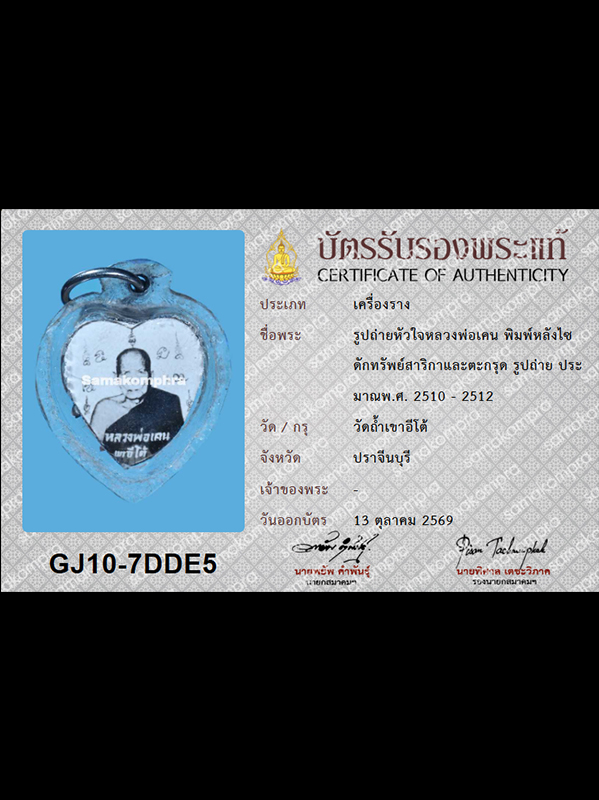
Description
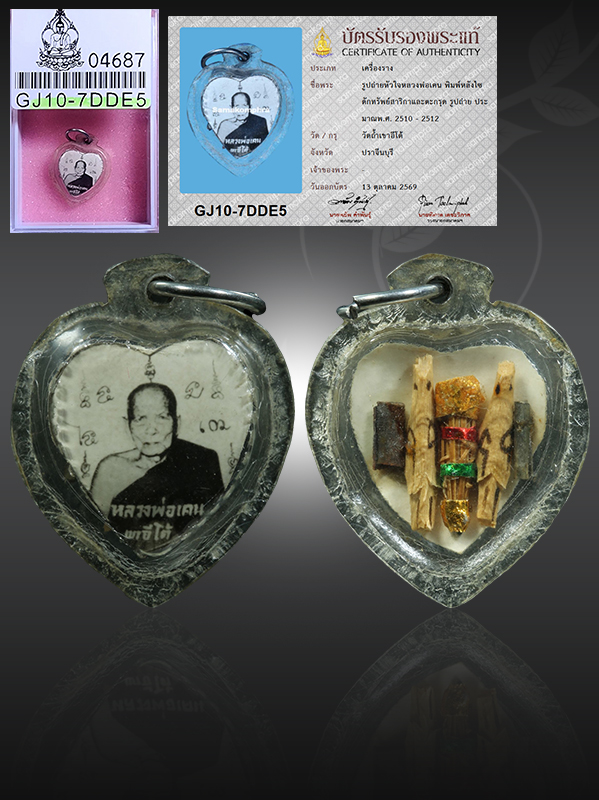
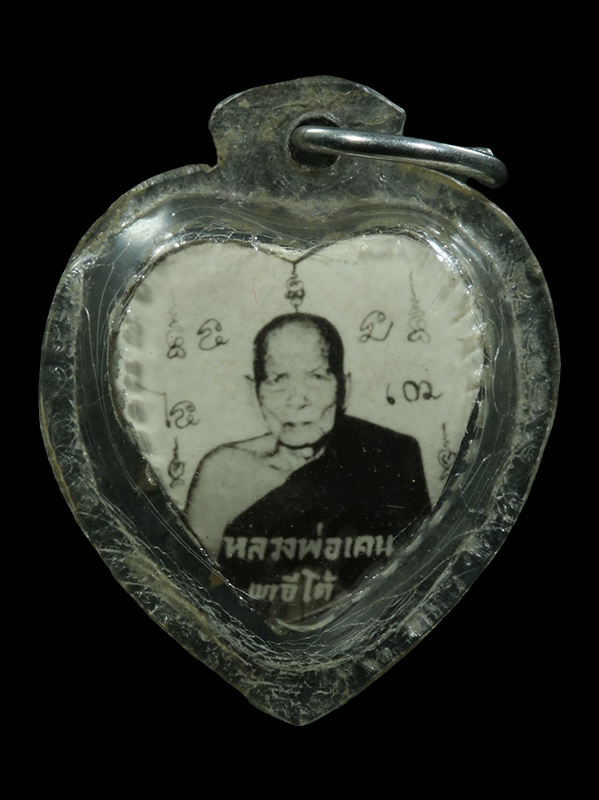
Photograph of Lp Ken Wat Khao-eto B.E.2510-2512
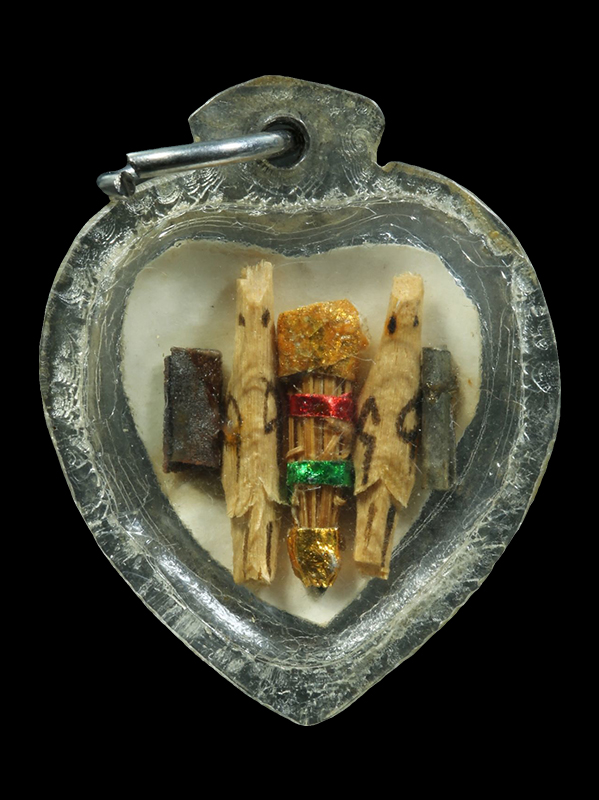
- On its back filled Takrud, fish trap, sarika bird
- Various power (Protection, bring wealth-lucky, Metta Maha Niyom)
- Nice condition
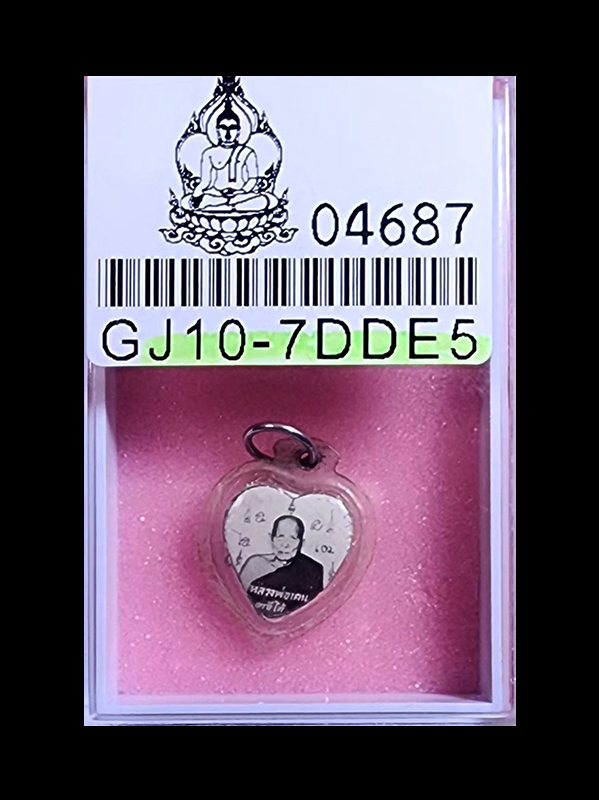
- With SMK cert
- Guarantee real 100%
About Luang Por Ken Sukhavatano
- Luang Por Ken Sukhavatano of Wat Tham Khao Eto, Prachin Buri Province, was a renowned monk of Eastern Thailand.
- He was born in 1859 and passed away in 1970 at the age of 111.
- He spent much of his monastic life practicing meditation at Wat Tham Khao Eto and earned deep respect from local devotees.
Background of the Photo Amulet
- Temple devotees created and distributed photo amulets of Luang Por Ken during the final years of his life.
- Most examples feature a black-and-white portrait with sacred talismans sealed on the reverse side.
- Collectors and researchers generally attribute the takrut and Sai Dak Sap variant to the period between 1967 and 1969.
Sacred Components
Common components include:
- Sai Dak Sap (wealth-attracting fish trap talisman)
- Takrut scrolls
- Twin Sarika bird talismans
- Other sacred materials prepared according to temple tradition
- Craftsmen assembled each piece by hand, so the arrangement of components may vary.
Sai Dak Sap
- Sai Dak Sap is one of the most iconic talismans associated with Luang Por Ken.
- The design derives from a traditional bamboo fish trap used in rural Thailand.
- It symbolizes attracting and retaining wealth, opportunities, and prosperity.
- Over time, it became a signature talisman of the Wat Tham Khao Eto tradition.
Consecration
- Luang Por Ken blessed these photo amulets during his lifetime.
- Historical records do not clearly document the number of consecration ceremonies or their duration.
Spiritual Significance
According to traditional belief, these amulets are associated with:
- Charm and popularity
- Business success
- Negotiation and communication
- Wealth and prosperity
- Career advancement
- The Sai Dak Sap and Twin Sarika talismans remain the most recognizable spiritual symbols connected to the Luang Por Ken tradition.
龙婆肯·素瓦塔诺(Luang Por Ken Sukhavatano)简介
- 考伊托洞寺(Wat Tham Khao Eto)的龙婆肯是泰国东部著名高僧。
- 龙婆肯生于1859年,圆寂于1970年,享寿111岁。
- 他长期在考伊托洞寺修行禅定,深受当地信众敬仰。
佛像照片牌的由来
- 龙婆肯晚年期间制作并分发了多种照片牌。
- 常见款式采用黑白照片,并在背面封入圣物。
- 带有符管和招财鱼篓(Sai Dak Sap)的版本,一般认为制作于1967年至1969年之间。
背面圣物组成
常见配置包括:
- 招财鱼篓(Sai Dak Sap)
- 符管(Takrut)
- 成对灵鸟(Twin Sarika)
- 寺院传统制作的其他圣物材料
- 由于采用手工装配,不同个体的配置可能有所差异。
招财鱼篓(Sai Dak Sap)
- 招财鱼篓是龙婆肯最具代表性的圣物之一。
- 其造型源自泰国传统竹制鱼篓。
- 象征汇聚财富、机遇与好运。
- 后来成为考伊托洞寺法脉的重要标志之一。
加持情况
- 龙婆肯在世期间亲自为这类照片牌加持。
- 现存资料未明确记载加持次数或加持天数。
信仰中的功德寓意
依照传统信仰,此类圣物常被认为具有以下寓意:
- 提升人缘
- 促进生意发展
- 增强沟通与谈判能力
- 招财纳福
- 促进事业发展
- 招财鱼篓与成对灵鸟被视为龙婆肯圣物体系中最具代表性的象征。


