
Description
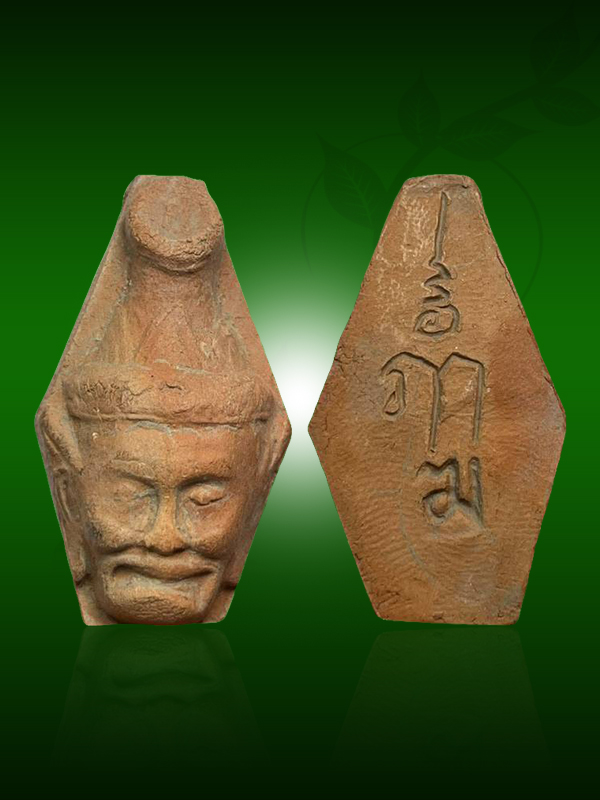
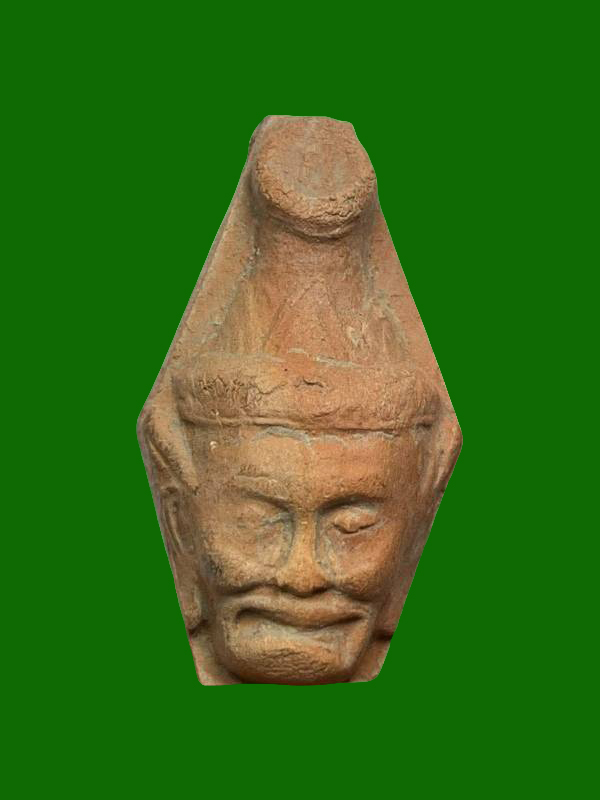
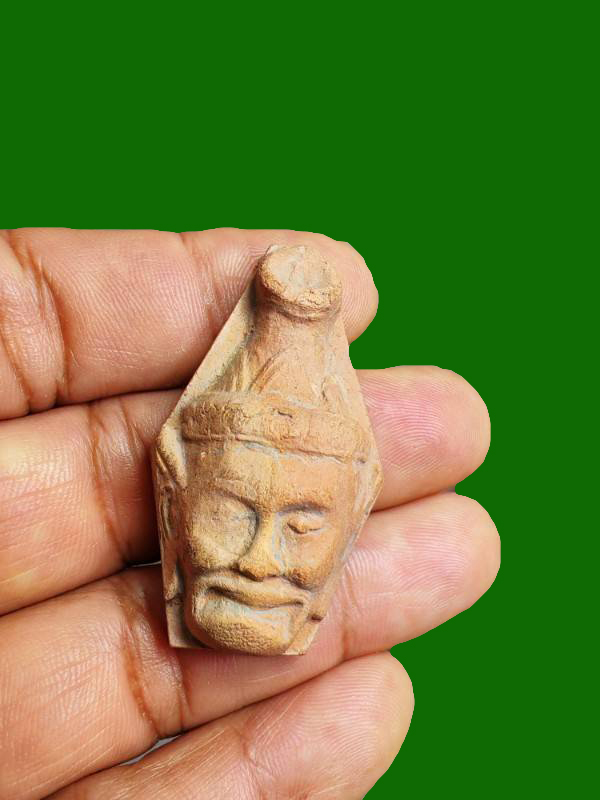
Lersi face Lp Kreun Wat Sangkho B.E.2480-2490
- Made of baked clay
- Nice condition
- Various power
- Guarantee real 100%
The Ruesi Father Head (or known as Ruesi Pho Kae Head or Puu Ruesi Head) is a highly popular sacred amulet in the Suphan Buri monk lineage and ancient magical arts. It is believed to possess prominent Buddhist virtues in terms of luck, great fortune, mercy and great popularity, evasion from danger, invulnerability, prosperous trading, and protection against hazards. The form is the head of a ruesi or father elder, which symbolizes the teacher or ruesi deity in Thai legends that helps protect and bring good luck to the worshiper. This legend stems from the ruesi knowledge or teacher knowledge in ancient meditation lineages, making it suitable for those who want to enhance their destiny, luck, and trading.
For the Ruesi Father Head of Luang Pho Khruen Amaro (Phra Khru Kosita Dhamma Nuwat) at Wat Sangkho Sitaram (or Wat Sangkho), Ban Laem Subdistrict, Bang Pla Ma District, Suphan Buri Province, the creation history is as follows:
Brief History of Luang Pho Khruen
Luang Pho Khruen was born in B.E. 2442 (corresponding to the year of the goat) in a farming family in Bang Pla Ma District, Suphan Buri Province. He was ordained in B.E. 2462 at Wat Sangkho Sitaram and studied the Dhamma and Vinaya with Luang Pho Nong at Wat Khlong Madan, a famous ajarn in meditation and magical arts. He was appointed abbot of Wat Sangkho Sitaram around B.E. 2475 and developed the temple to prosperity by building monk quarters, pavilions, ubosot, and a public school. He was renowned for his powerful magical arts, with Luang Pho Sot at Wat Paknam praising him for having miraculous powers like Phra Moggallana (one of the Buddha’s disciples). He passed away in B.E. 2512 at the age of 70, with 50 years in monkhood. He was proficient in both meditation practice and creating sacred amulets such as geckos, takrud, Hanuman statues, and Ruesi Father Heads, which emphasize Buddhist virtues in mercy, luck, and protection against harm.
History of Creating the Ruesi Father Head
Luang Pho Khruen began creating sacred amulets from around B.E. 2480 onward, creating them every year according to molds received from devotees. For the Ruesi Father Head specifically, there is no precise record of the creation year, but from data and auctions, it was created during B.E. 2480-2490 (over 80 years old) to distribute to disciples and faithful followers. He adapted the knowledge from the Luang Pho Nong lineage and ancient ruesi knowledge. There are several prints such as ruesi face, giant face, garuda face, or normal face. Some pieces are 3-inch altar sizes or pendant sizes. He created them to raise funds for temple development and as protective amulets.
Main materials used:
- Baked clay mixed with Buddhist powder: Sacred soil mixed with special powders from ajarns, Itthije powder, Pathamang powder, and mystical substances, hand-molded and baked.
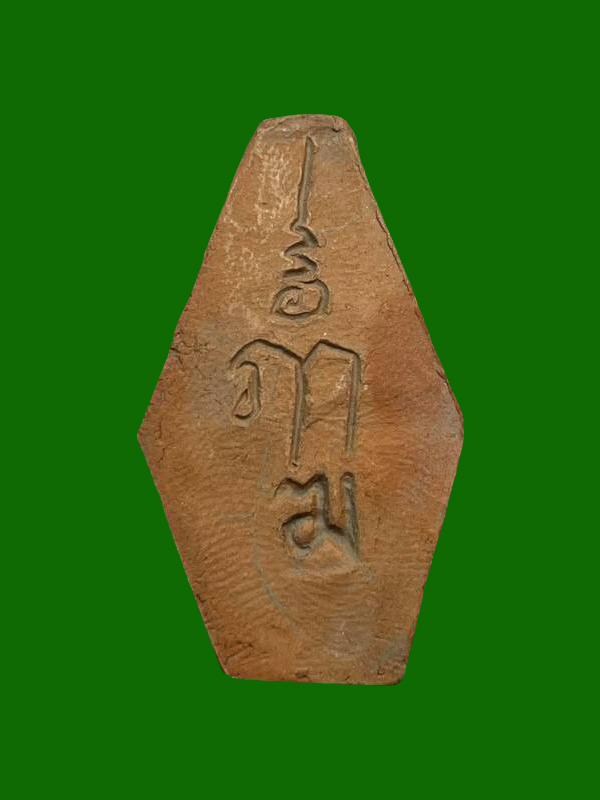
- Colored and inscribed with yantras: Applied with powder color or original paint. Some pieces have akkhara yantras inscribed on the back, such as “Kho” or full yantra formulas to enhance power.
- Some editions have painted powder content or soil mixed with Buddhist virtues, but they are very rare.
Consecration: He consecrated with concentration and magical arts from the meditation lineage. There is a legend that during consecration, some amulets would fly or move, so a mosquito net had to be set up to prevent them from flying away. He focused on invoking virtues for promoting luck, prosperity, and protection against evil, making the Buddhist virtues powerfully renowned.
Buddhist Virtues and Worship
- Prominent in: Luck, great fortune, mercy and great popularity, evasion from dangers, good trading, career advancement, and protection against sorcery. Suitable for business people, gamblers, or those needing protection.
- Worship Chant: Recite Namo 3 times, then chant “Namo Tassa Bhagavato Arahato Samma Sambuddhassa” or the general ruesi chant “Om Ruesi Na Ma A U” several times, then make your wish. It is advisable to offer plain water, flowers, fruits, or rice on holy days to enhance power.
老仙头(或称为老仙父头或祖仙头)是素攀武里僧侣系和古老魔法艺术中非常受欢迎的神圣护身符。人们相信它具有突出的佛教功德,在运气、大财富、慈悲大受欢迎、避险、不朽、贸易兴旺和防护危害方面特别有效。其形式是仙人或老父的头,这是泰国传说中老师或仙人神的象征,帮助保护并为崇拜者带来好运。这一传说源于古老禅修系的仙人知识或老师知识,使其适合那些想要增强命运、运气和贸易的人。
对于素攀武里府邦普拉马区班兰乡桑科西塔拉姆寺(或桑科寺)的隆普克伦·阿玛罗(帕库科西塔达玛努瓦特)的老仙头,其创建历史如下:
隆普克伦简史
隆普克伦出生于佛历2442年(对应羊年),在素攀武里府邦普拉马区的一个农民家庭。他于佛历2462年在桑科西塔拉姆寺出家,并向空马丹寺的隆普农学习佛法和戒律,后者是禅修和魔法艺术的著名法师。他于佛历2475年左右被任命为桑科西塔拉姆寺住持,并发展寺庙至繁荣,通过建造僧舍、亭子、佛堂和公立学校。他以强大的魔法艺术闻名,帕克南寺的隆普索赞扬他具有像摩诃目犍连(佛陀弟子之一)般的奇迹力量。他于佛历2512年圆寂,享年70岁,出家50年。他精通禅修实践和创建神圣护身符,如壁虎、塔克鲁德、哈努曼雕像和老仙头,这些强调佛教功德在慈悲、运气和防护危害方面。
老仙头创建历史
隆普克伦从佛历2480年左右开始创建神圣护身符,每年根据信徒提供的模具创建。对于老仙头具体而言,没有确切的创建年份记录,但从数据和拍卖来看,它创建于佛历2480-2490年(超过80年历史),以分发给弟子和虔诚信徒。他调整了来自隆普农系和古老仙人知识的知识。有几种印记,如仙人脸、巨人脸、迦楼罗脸或普通脸。有些件是3英寸的坛供大小或吊坠大小。他创建它们以筹集资金发展寺庙并作为防护护身符。
主要材料:
- 陶土混合佛教粉末:圣土混合法师的特殊粉末、伊提杰粉末、帕塔芒粉末和神秘物质,手工成型并烘烤。
- 上色并刻画符咒:涂以粉末颜色或原漆。有些件在背面刻有阿卡拉符咒,如“科”或完整符咒公式,以增强力量。
- 有些版本有彩绘粉末内容或混合佛教功德的土壤,但非常稀有。
加持:他用禅修系的专注和魔法艺术加持。有传说在加持时,有些护身符会飞或移动,因此必须架起蚊帐防止它们飞走。他重点祈愿促进运气、繁荣和防护邪恶,使佛教功德强大而闻名。
佛教功德与崇拜
- 突出方面:运气、大财富、慈悲大受欢迎、避开危险、贸易好、事业进步和防护巫术。适合商人、赌徒或需要保护的人。
- 崇拜咒语:念南无3遍,然后念“南无 他萨 婆伽瓦多 阿罗汉多 三藐三菩陀萨”或一般仙人咒语“嗡 仙人 那 嘛 阿 乌”几遍,然后按愿望祈愿。建议在圣日供奉清水、花朵、水果或米以增强力量。


