
Description
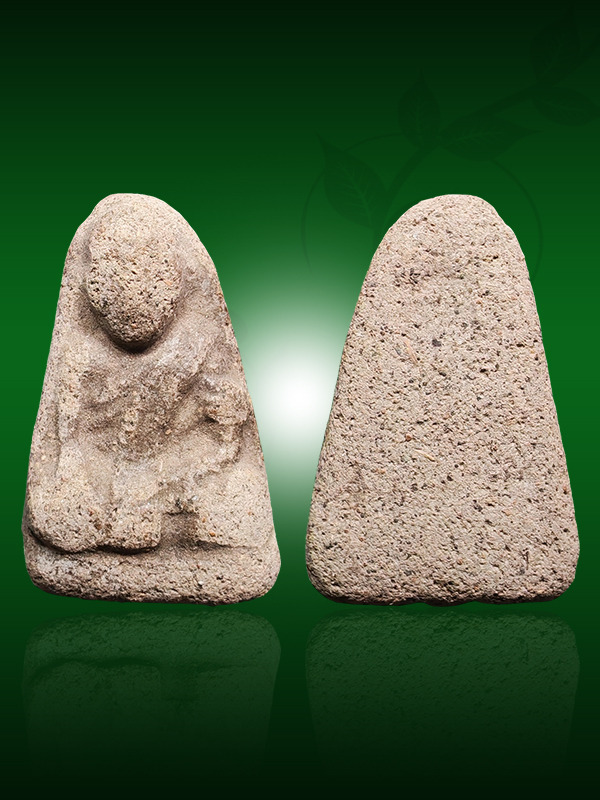
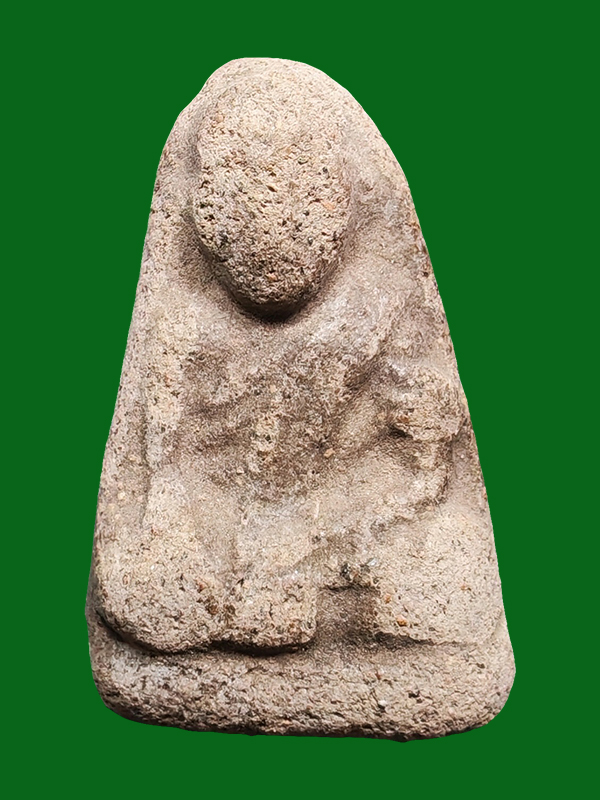
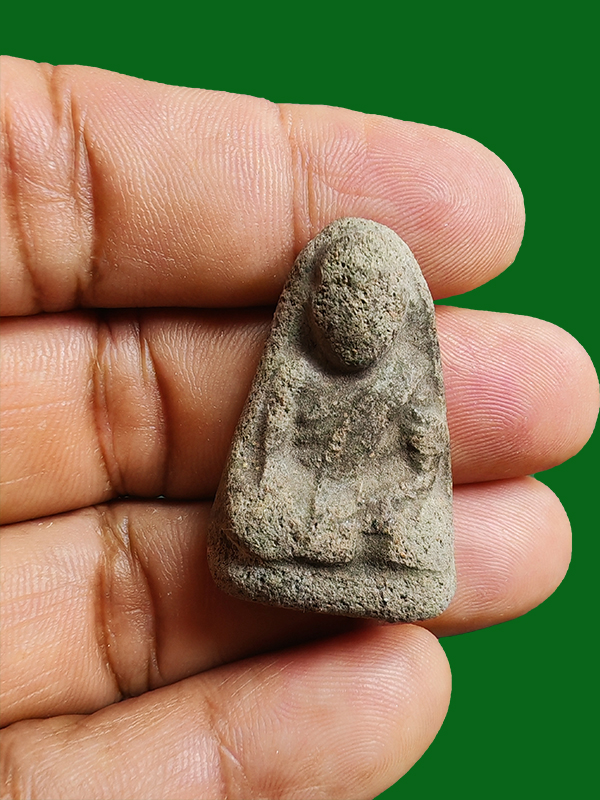
Image of PT Klai Wat Suankhan B.E.2502 for Wat Wangtawan-aok
- Made of herbs mixed with sacred powder
- Good condition
- Powerful for protection
- Guarantee real 100%
History and Purpose of Creation
-
Background of the Temple: Wat Wangtawan-aok sits as an ancient temple in Mueang District, Nakhon Si Thammarat Province. Specifically, it maintained a close relationship with Phra Khru Phisit Atthakan (Luang Pho Klai Wajasit) of Wat Suan Khan, who frequently visited and stayed there to perform religious duties in the city center.
-
Purpose: Devotees and organizers created this amulet in B.E. 2502 (1959) to raise funds for restoring the temple’s monastic buildings. In addition, the temple distributed pieces to disciples and devotees who contributed donations.
Sacred Materials and Artistic Characteristics
-
Primary Materials: Makers crafted it from sacred powder mixed with Luang Pho Klai’s renowned betel nut chew (Chan Mak). Furthermore, the mixture incorporated 108 types of medicinal herbs (Wan), dried altar flower pollen, Din Kak Yayak (sacred black soil), and sacred powders from Khao Or and Nakhon Si Thammarat lineage masters of that era.
-
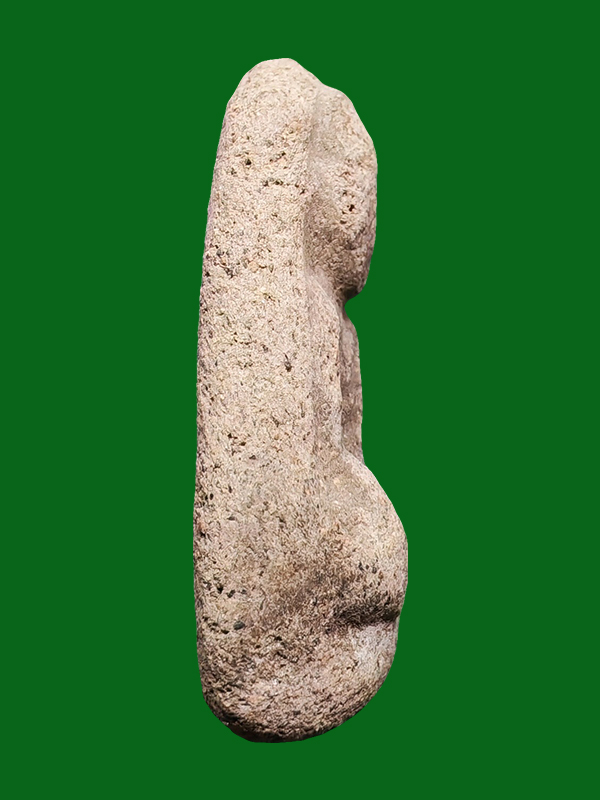
Amulet Design: This piece features a full-body seated portrait of Luang Pho Klai on a low base, shaped in a rounded triangle (resembling a flatiron shape).
-
Front: It clearly shows Luang Pho Klai’s signature seated posture—sitting cross-legged with his right hand resting on his right knee, while his left hand holds his robe near his chest.
-
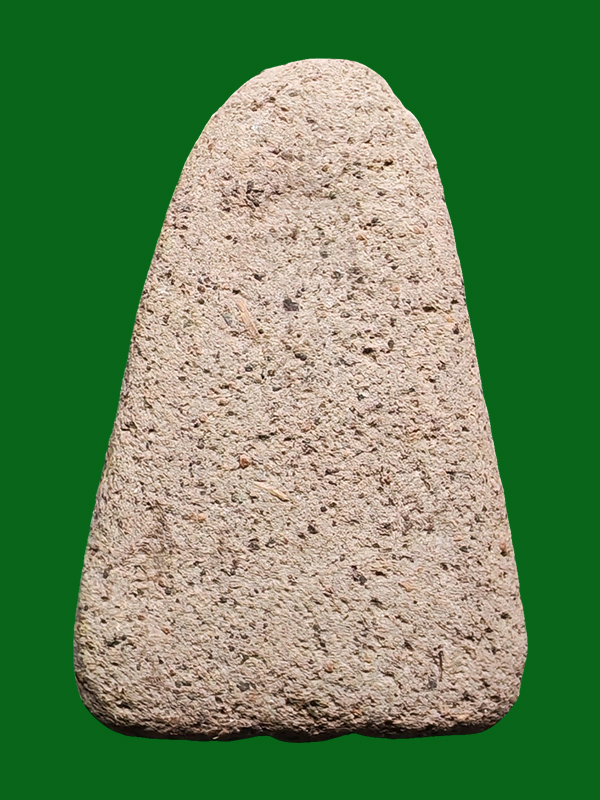
Back: By contrast, the back features a mostly flat and plain surface, occasionally showing natural pressing marks or fingerprints from the traditional hand-molding process.
-
-
Texture and Appearance: Because artisans hand-pressed the amulet using betel nut chew as a primary ingredient, the texture feels coarse, porous, and less dense than modern machine-pressed amulets. As a result, betel nut fibers, herbal strands, and sacred mineral specks appear throughout the surface. Moreover, the color ranges from light brown and brownish-gray to off-white, depending on the ratio of betel chew to lime powder in each batch.
Consecration Ceremony and Spiritual Properties
-
Consecration: Luang Pho Klai Wajasit presided over lighting the victory candle and performed an intensive solo consecration. Alongside this, esteemed magic-adept monks from Nakhon Si Thammarat and the Khao Or lineage joined the chanting ceremony.
-
Spiritual Properties: Devotees prize the amulet for the all-around blessings characteristic of Luang Pho Klai’s pieces, particularly in loving-kindness (Metta Mahaniyom), wealth and prosperous trade, and protection from harm (Klaew Klaad). Above all, it carries auspiciousness stemming from his legendary reputation for having a “Golden Mouth” (Wajasit—whose spoken blessings come true).
中文翻译
历史背景与督造目的
-
寺庙渊源: 瓦旺达万奥寺(Wat Wangtawan-aok)位于洛坤府直辖县,是一座历史悠久的古刹。具体而言,该寺与瓦สวนขัน寺(Wat Suan Khan)的婆昙凯大师(Phra Khru Phisit Atthakan)渊源深厚,大师前往洛坤府市区弘法及主持法事时,常驻锡于此。
-
督造目的: 督造于佛历2502年(1959年),初衷在于筹集资金修缮瓦旺达万奥寺内的僧舍与建筑。此外,圣物也会结缘分发给参与布施功德的信众与弟子。
圣料材质与法相特征
-
主要圣料: 采用圣粉混合婆昙凯大师极具盛名的槟榔渣(Chan Mak)督造。不仅如此,配方中还融入了108种草药粉(Wan)、供佛干花花粉、圣黑土(Din Kak Yayak),以及当时考奥法脉(Khao Or)与洛坤府多位高僧加持的圣粉。
-
佛牌法相: 呈圆角三角形(类似熨斗形),正面为婆昙凯大师坐于低台座上的全身法相。
-
正面: 清晰展现婆昙凯大师标志性的坐姿——盘腿而坐,右手扶于右膝,同时左手抬起轻握胸前袈裟。
-
背面: 相比之下,背面多为平背设计;因属早期手工压模制作,部分牌面可见自然的压模痕迹或制牌者的指纹。
-
-
肉质特征: 由于采用手工压模且以槟榔渣为主要原料,牌身质地较为粗糙、疏松,不像现代机器压制的佛牌那样紧实平滑。因此,牌面可见槟榔纤维、草药丝及各类圣料颗粒分布其中。同时,颜色从浅褐色、灰褐色到米白色不等,视每批混合时槟榔渣与贝壳灰粉的比例而定。
加持法会与佛牌功效
-
开光加持: 由婆昙凯大师亲自主持点亮胜利烛,并进行了极为严谨的独自禅定加持。与此同时,主办方还邀请了洛坤府及考奥法脉的多位得道高僧共同参与诵经法会。
-
圣物功效: 该圣物承袭婆昙凯大师圣物一贯的全面庇佑之力,尤以人缘魅力(Metta Mahaniyom)、招财进宝、生意兴隆以及避险保平安(Klaew Klaad)著称。更重要的是,它蕴含大师“金口(Wajasit,言出法随)”赐福的吉祥力量。


