
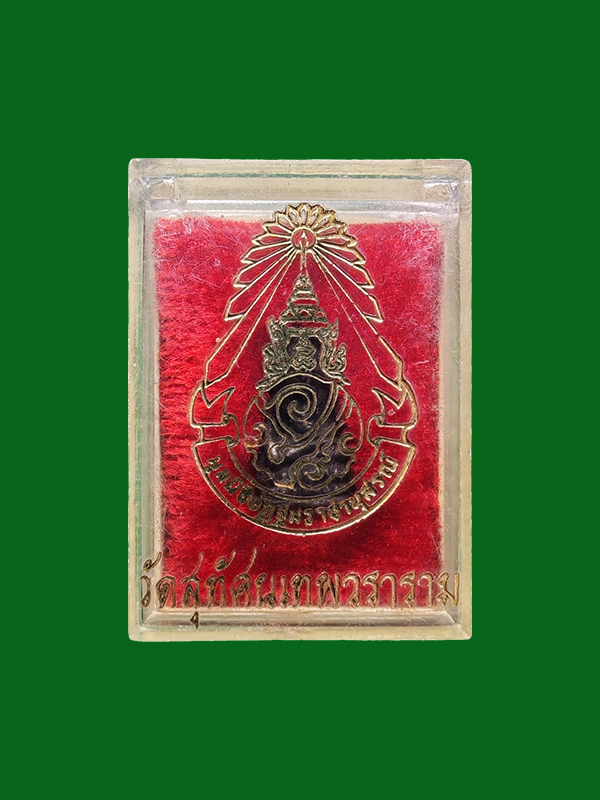
Description
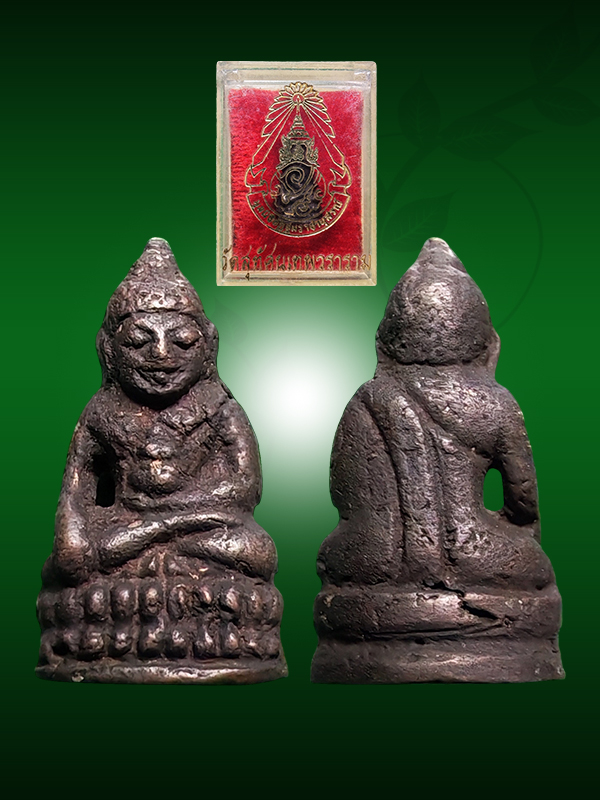
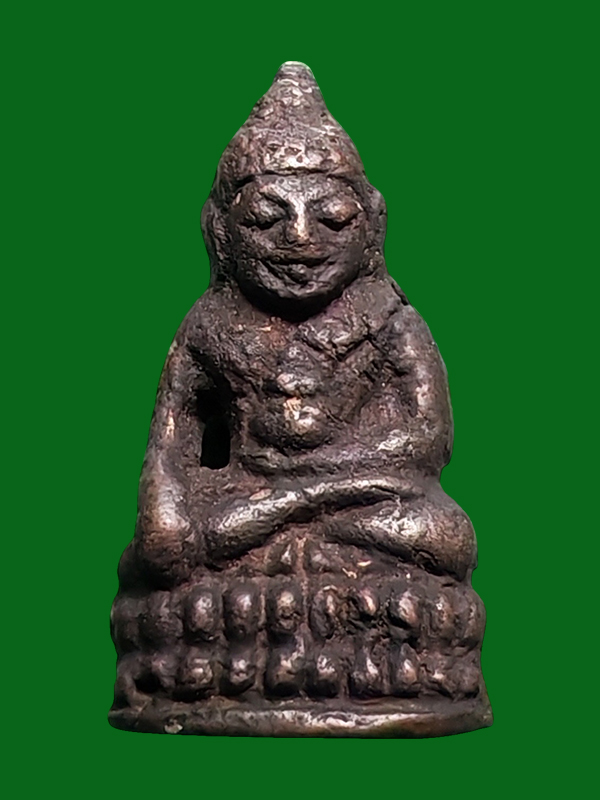
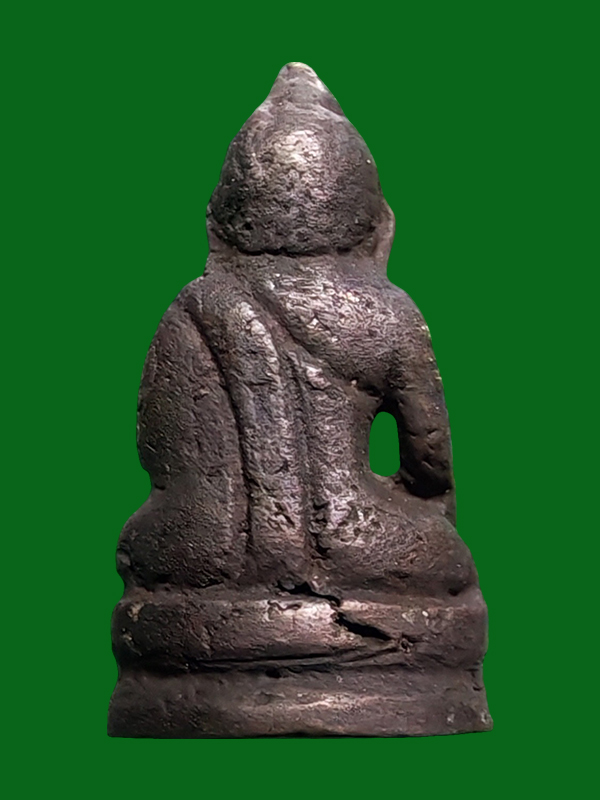
Phra Chaiwat CK Sa-ngiam Wat Suthat B.E.2516
- Made of bronze
- Nice condition
- With temple box
- Various power
- Guarantee real 100%
Phra Chaiwat Chao Khun Sa-ngiam (1973 / B.E. 2516)
1. Creator’s Background and Purpose
-
Lineage Mastery: Chao Khun Sa-ngiam was one of Wat Suthat’s senior elders who closely studied and inherited the ancient formulas for casting Phra Kring and Phra Chaiwat amulets, including the sacred inscriptions of the 108 Yantras and 14 Na Pathamang, directly from Somdet Phra Sangharaja (Pae) and Chao Khun Sri (Son).
-
Purpose of Creation: Created to commemorate his 68th birthday anniversary (Ayuwattanamongkhon) and to raise funds for restoring the monastic buildings within Wat Suthat Thepwararam, as well as to distribute to disciples and merit-makers.
2. Sacred Materials and Casting Process
-
Composition: Cast in Nawaloha (an auspicious nine-metal alloy) following Wat Suthat’s traditional alchemy formula.
-
Key Metal Ingots (Chanuan): Blended with leftover sacred metal ingots from historical Phra Kring and Phra Chaiwat batches cast by Somdet Phra Sangharaja (Pae) and Chao Khun Sri (Son) that Chao Khun Sa-ngiam had preserved, combined with metal plates inscribed and consecrated by Chao Khun Sa-ngiam himself.
-
Casting Technique: Crafted using the ancient lost-wax/Thai clay-mold tree-casting method (Lor Boran), where multiple amulets are cast on a single metal sprue tree and cut off individually, giving each piece distinct casting textures and natural crucible residue.
3. Iconography and Physical Characteristics
-
Design: Modeled after the classic Nam Tao Iang (Tilted Gourd) mold, a standard archetype of the Wat Suthat lineage, depicting the Buddha in the Maravijaya posture seated in full lotus (Vajrasana) atop a double-lotus pedestal.
-
Dimensions: Compact size, measuring approximately 1.5 to 1.8 centimeters in height.
-
Surface & Patina: The inner alloy exhibits a pinkish-rose gold or reddish-yellow hue characteristic of Nawaloha. Unworn pieces retain a dark brown-to-black firing skin (Phiu Fai) with whitish crucible clay residue nestled in the crevices. With wear and handling, the metal naturally darkens into a lustrous patina (Klap Dam).
-
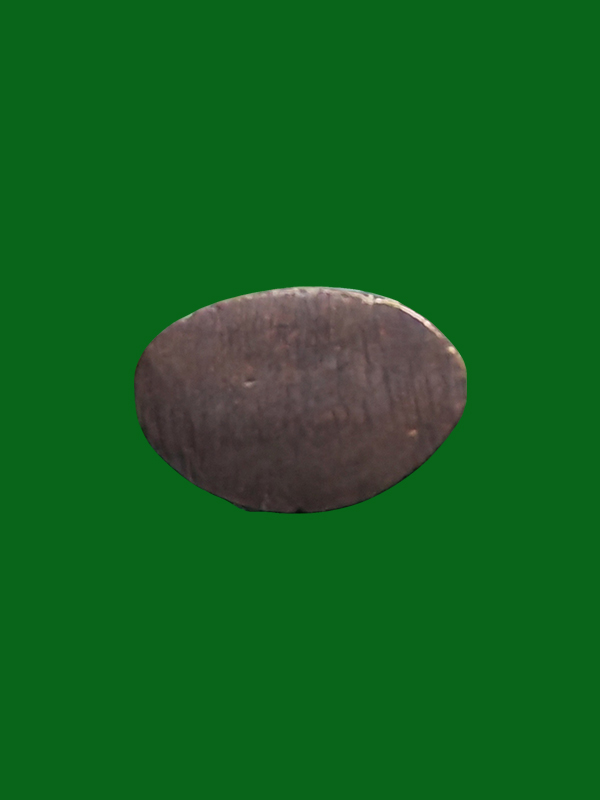
Base: The underside shows a cut sprue mark filed smooth. Select pieces distributed to close disciples may feature stamped temple codes or hand-inscribed sacred characters.
4. Consecration Ceremony
-
Held in full compliance with ancient royal monastery traditions inside the main ordination hall (Ubosot) of Wat Suthat Thepwararam in B.E. 2516 (1973). Chao Khun Sa-ngiam presided as the ceremonial master and lit the victory candle, joined by prominent meditation masters of that era for a solemn blessing ceremony.
5. Spiritual Virtues and Collectibility
-
Spiritual Virtues: Renowned for all-around blessings in the Wat Suthat tradition, particularly loving-kindness (Metta Mahaniyom), protection from harm (Klaew Klad), good fortune, and career advancement or victory (Chaiwat literally means “auspicious victory”).
-
Collectibility: Regarded as a premier mid-era Wat Suthat Phra Chaiwat. While significantly more accessible in price than the early-era pieces of Somdet Phra Sangharaja (Pae) or Chao Khun Sri (Son), it shares the exact same sacred metal lineage and consecration rituals, making it highly sought after by collectors seeking an authentic Wat Suthat amulet for daily wear.
拍猜瓦 昭坤沙炎 瓦苏ทัศน์寺(佛历2516年 / 公元1973年)
1. 督造者背景与缘起
-
法脉传承: 昭坤沙炎是瓦苏ทัศน์寺的重要长老之一,曾随侍崇迪山卡拉培与昭坤ศรี左右,完整继承了瓦苏ทัศน์寺古法督造药师佛(Phra Kring)与拍猜瓦(Phra Chaiwat)的秘传仪轨,包括亲手刻写“108种符文”与“14种巴塔芒圣粉符文(Na Pathamang 14)”的秘法。
-
督造目的: 为纪念大师68岁华诞法会,并为修缮瓦苏ทัศน์寺内的僧舍与佛殿筹集善款,同时结缘赠予众弟子及护法信众。
2. 圣料与铸造工艺
-
材质: 采用瓦苏ทัศน์寺古老配方熔铸的九宝铜(Nawaloha)。
-
核心圣料(老料): 融入了昭坤沙炎珍藏的崇迪山卡拉培与昭坤ศรี早期督造药师佛及拍猜瓦时留下的珍贵老金属圣料(Chanuan),并结合大师亲自刻符并加持的108符片与14巴塔芒符片共同熔炼。
-
铸造工艺: 采用古法泥模倒模树枝铸造工艺(Lor Boran,即成串浇铸后再逐尊剪下底部浇口),因此每尊佛像都具有独一无二的铸造肌理与天然模垢痕迹。
3. 法相与外观特征
-
版模: 沿袭瓦苏ทัศน์寺经典正统的“歪葫芦模”(Pim Nam Tao Iang)法相,呈降魔印(触地印)金刚跏趺坐姿,端坐于双层仰覆莲花宝座之上。
-
尺寸: 精致小巧,高约 1.5 至 1.8 厘米。
-
皮壳与包浆: 内部金属呈现九宝铜特有的粉红古铜色或红黄色泽。未佩戴过的原品表面覆盖着深棕近黑的火烧皮壳(Phiu Fai),深邃缝隙处常留有白色的模泥残垢;经长期佩戴或盘玩后,金属表面会自然氧化转为温润乌亮的包浆(Klap Dam)。
-
底部特征: 底座留有剪断浇铸铜枝的痕迹及手工锉平的打磨纹路(部分特别结缘给近身弟子的版本,底部另打有寺庙印记或大师亲手刻符)。
4. 加持法会
-
佛历2516年(1973年)于曼谷瓦苏ทัศน์寺大雄宝殿内严格遵循古法仪轨举行熔金铸造与开光加持大法会,由昭坤沙炎亲任主法高僧并点燃胜利烛,同时恭请当时多位修为高深的高僧大德共同入定禅坐加持,法力殊胜。
5. 功效与收藏价值
-
圣物功效: 秉承瓦苏ทัศน์寺法脉的全方位庇佑,尤以人缘魅力(Metta Mahaniyom)、避险保平安(Klaew Klad)、招财纳福以及助官运晋升、事业胜利(“猜瓦”意为吉祥胜利)最为著称。
-
收藏价值: 被公认为瓦苏ทัศน์寺中期极具代表性的拍猜瓦圣物。虽然其市场流通价格远低于崇迪山卡拉培或昭坤ศรี早期的天价珍品,但因使用了同脉相承的珍贵老料并遵循完全相同的古法仪轨加持,深受希望佩戴正统瓦苏ทัศน์寺法脉圣物的藏家与信众青睐。


